

Cancer recovery is a multifaceted process that requires not only continuous medical monitoring but also a holistic approach to nutrition. Fruits and vegetables provide a range of vitamins, minerals, antioxidants, and dietary fiber that can support overall health during and after cancer treatment.
This blog will explore the significance of fruits and vegetables in cancer recovery and how they can contribute to a balanced and nutritious diet.
Nutritional Benefits of Fruits and Vegetables
Fruits and vegetables are rich sources of essential vitamins, minerals, antioxidants, and dietary fiber. These nutrients are important for maintaining health and well-being during and after cancer treatment. Here are some key benefits:
Antioxidant Properties
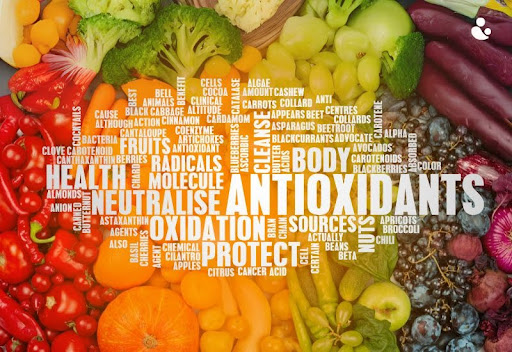
Fruits and vegetables are abundant in antioxidants, which help combat oxidative stress – an imbalance between free radicals and antioxidants in the body that can lead to cellular damage. Antioxidants such as vitamin C, vitamin E, and various phytochemicals found in fruits and vegetables can help protect cells from oxidative stress.
Immune Support
A well-functioning immune system is essential for overall health during cancer recovery. Nutrients in fruits and vegetables, such as vitamins A, C, and E, along with minerals like zinc and selenium, support normal immune function. Including a variety of these foods as part of a balanced diet can help support the body during recovery.
For more ideas on nutrient-rich foods during treatment, read [10 Nutritious Foods That Help Children Stay Strong During Chemotherapy].
Anti-Inflammatory Effects
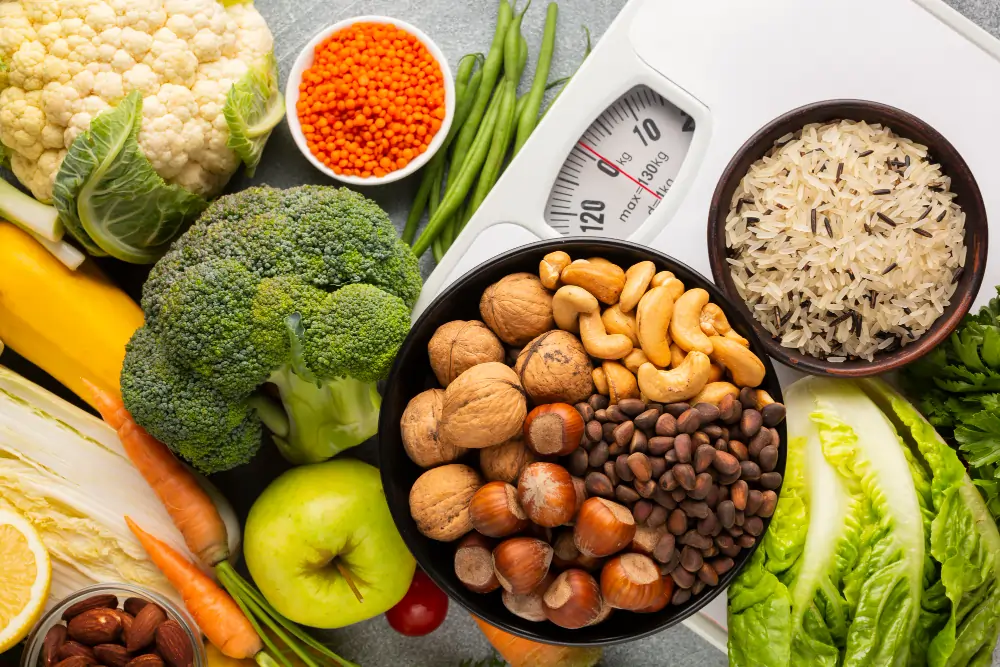
Chronic inflammation can affect overall health, while many fruits and vegetables contain compounds that may help support the body’s natural inflammatory response. For instance, cruciferous vegetables like broccoli and cauliflower contain glucosinolates, plant compounds that are being studied for their potential health benefits.
Fiber Content
Dietary fiber is important for digestive health, helping to regulate bowel movements and prevent constipation. Fiber-rich foods can also support a healthy gut microbiome and help maintain a healthy weight during recovery.
Weight Management
Maintaining a healthy weight is important for cancer survivors, as excess body weight can affect overall health. Fruits and vegetables are generally low in calories but high in volume and nutrients, making them useful additions to a balanced diet.
Fruits and Vegetables for Cancer Recovery
Oranges: Rich in vitamin C, folate, potassium, and dietary fiber, oranges support overall health, immune function, and iron absorption. Vitamin C also plays a role in collagen production and tissue healing. The citrus taste may be refreshing for some children, although it may not be suitable if mouth sores or irritation are present. Eating the whole fruit rather than juicing it also provides more fiber.
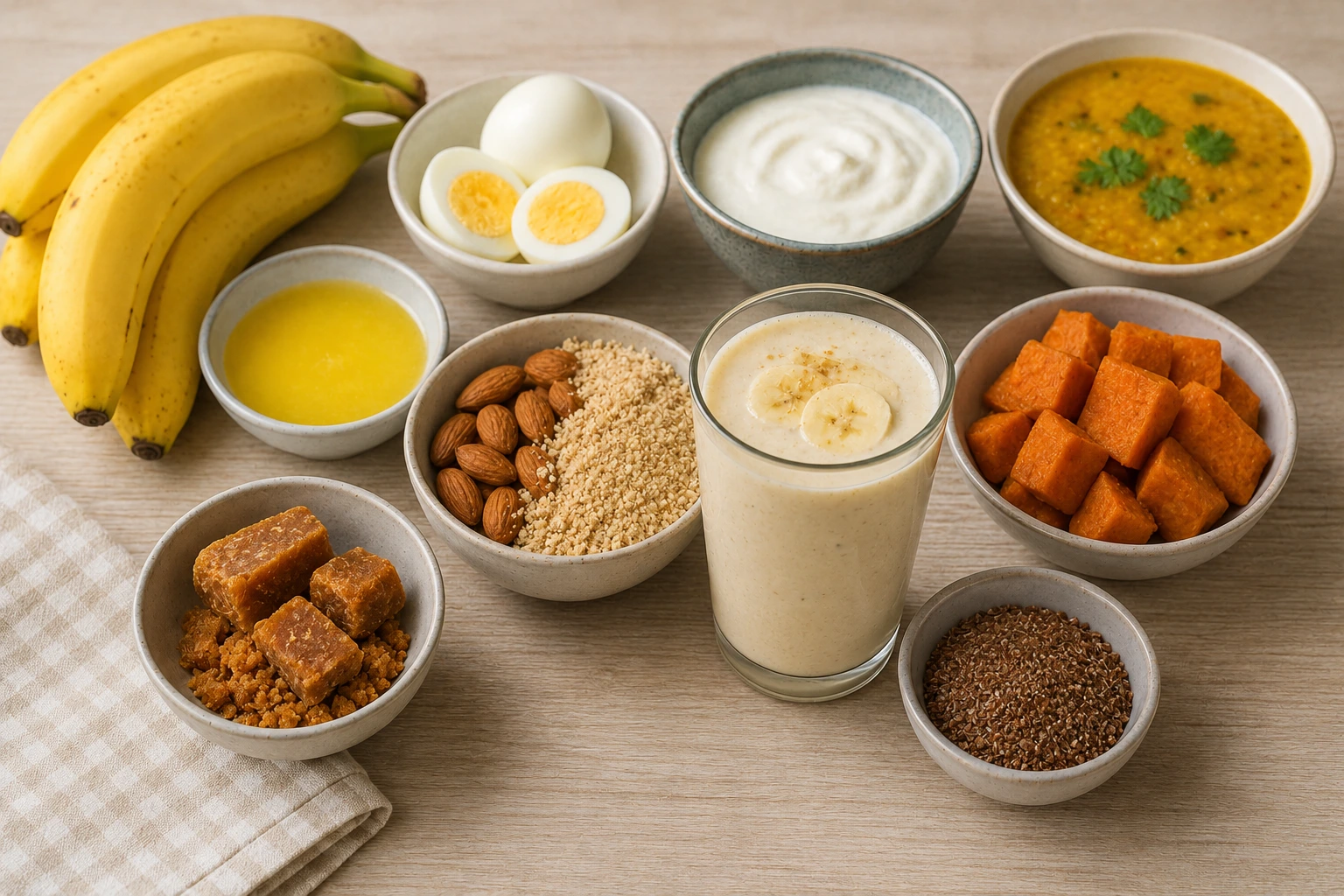
Bananas: Known for their convenience, bananas are a good source of potassium, which supports normal heart function and electrolyte balance. They also provide carbohydrates and fiber, making them a convenient snack during recovery. Ripe bananas are soft and may be easier to eat when chewing is difficult.
Pomegranate: Contains tannins, flavonols, anthocyanins, and ellagic acid, which have antioxidant properties. Research on pomegranate and cancer is ongoing, with much of the evidence on potential anticancer effects coming from laboratory and preclinical studies. Pomegranate can be enjoyed fresh, in salads, or sprinkled over yogurt for added flavor and nutrition.
Papaya: Contains papain, an enzyme that aids digestion. Antioxidants such as beta-carotene and flavonoids in papaya contribute to its nutritional value. Its soft texture and natural sweetness can also make it an appealing snack.
Carrots: High in carotenoids, which the body can convert to vitamin A, as well as fiber. Carrots can be enjoyed raw, cooked, or blended into various dishes. For children experiencing chewing or swallowing difficulties, cooked carrots may be easier to eat.
Tomatoes: Tomatoes contain lycopene, a carotenoid with antioxidant properties. Cooking tomatoes and consuming them with a small amount of healthy fat can improve lycopene absorption. Tomato-based sauces, soups, or chutneys can be simple ways to include them in meals.
Cabbage: Cabbage contains glucosinolates and is a good source of vitamin C and dietary fiber. It can be included in a variety of cooked dishes as part of a balanced diet.
Fenugreek Leaves: Fenugreek leaves provide vitamins, minerals, fiber, and plant compounds such as flavonoids. They can be added to dishes such as parathas, dals, or vegetables to provide variety and additional nutrients.
Ash Gourd: Comprising mostly water, ash gourd is low in calories and can contribute to hydration and digestive health. It can be included in cooked dishes, soups, or other preparations depending on the child’s preference and dietary needs.
Including a variety of whole fruits and vegetables in the diet can promote overall health and support recovery from cancer. The amount and type of fruits and vegetables suitable for a child during cancer treatment can vary depending on their treatment, symptoms, appetite, and individual nutritional needs. A dietitian or treating doctor can help determine what works best for each child.
References:
Hurtado-Barroso, S., Trius-Soler, M., Lamuela-Raventós, R. M., & Zamora-Ros, R. (2020). Vegetable and Fruit Consumption and Prognosis Among Cancer Survivors: A Systematic Review and Meta-Analysis of Cohort Studies. Advances in Nutrition. https://doi.org/10.1093/advances/nmaa082