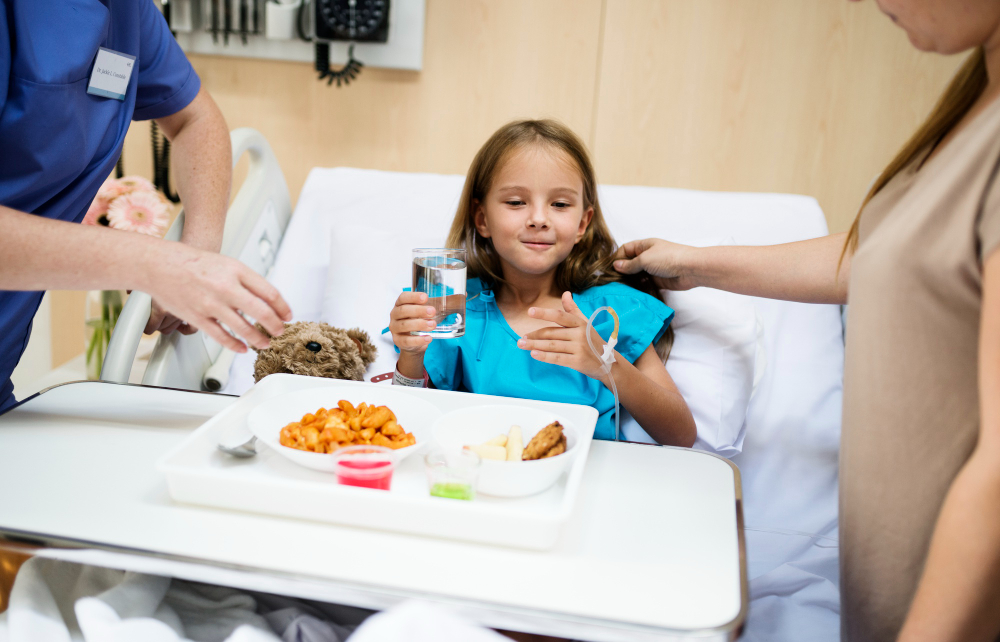


One of the most distressing things a parent can watch during their child’s cancer treatment is the weight falling away. The child who was healthy and full of energy is now thin, pale, and too tired to eat. Every mealtime becomes a battle. Every refused plate of food feels like a setback.
This experience is common, and it has clinical roots. Nutritional deterioration during cancer treatment in children arises from a combination of factors involving the disease and its related treatment. In the clinical literature, this is broadly described as disease-related malnutrition, and in its most severe form, as cancer cachexia.
Why Children Lose Weight During Cancer Treatment
Weight loss during cancer treatment in children happens for several overlapping reasons. Cancer itself can increase the body’s metabolic demands. Chemotherapy and radiation cause nausea, vomiting, mouth sores, altered taste, and reduced appetite. Hospital stays disrupt normal eating routines. And many families, particularly in India, where a large majority of children receiving treatment come from low-income households, simply cannot afford the calorie-dense foods that would help their child maintain or regain weight.
A 2024 study published in Frontiers in Oncology examining nutritional status and body composition in children with cancer found that in certain cancers, lean body mass tends to decrease or remain low during treatment while fat mass increases. This is a pattern that reflects not just caloric insufficiency but changes in body composition driven by the disease and its treatment. Changes in fat and lean body mass can also modify how chemotherapy drugs are distributed and metabolised in the body, meaning that a child’s weight status directly affects how well treatment works.
A Cochrane systematic review on nutritional support in children with cancer undergoing chemotherapy highlighted studies that showed that energy-dense feeds, providing more calories per unit volume, significantly increased mean daily energy intake compared to standard feeds, with a positive effect on weight gain. This is the clinical rationale for focusing on caloric density rather than volume: a child who is nauseated and exhausted cannot eat large quantities, but they can eat small quantities of foods that pack more nutritional value.
Practical High-Calorie Strategies
The practical guidance here is grounded in what Cuddles Foundation nutritionists use in the field across 50 hospitals in India, and is consistent with paediatric oncology nutrition guidelines.
Small, frequent meals work better than three large ones. A child’s appetite during treatment is unpredictable and often brief. Offering small amounts every two to three hours, whenever the child is most alert and comfortable makes it more likely that adequate calories are consumed across the day.
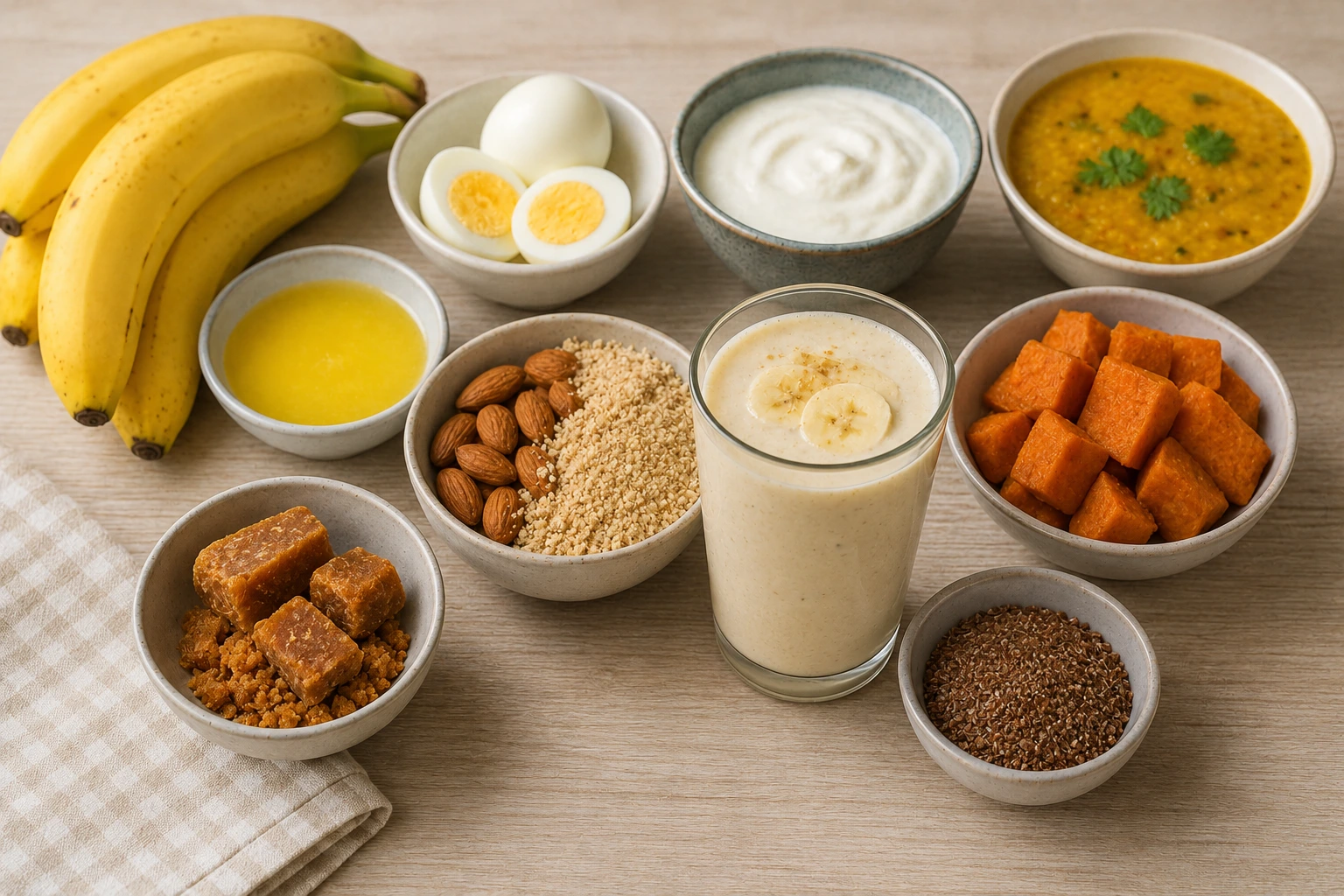
Energy-dense additions to familiar foods are often more effective than introducing entirely new foods. Ghee, oil, nut butters, seed powders and coconut milk can be stirred into dals, rice, and rotis to increase caloric content without significantly changing the flavour or increasing volume. Eggs; boiled, scrambled, or mixed into dishes are an accessible, high-protein addition that most children tolerate reasonably well even when appetite is low.
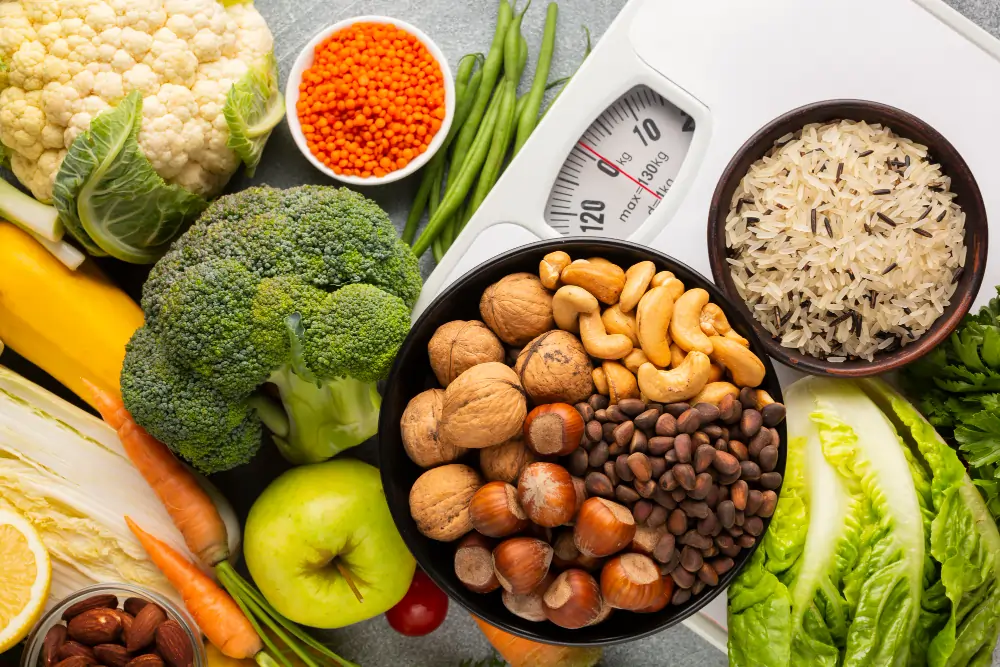
Nuts and oilseeds (almonds, walnuts, sesame) can be ground and added to khichdi, porridge, or milk. Jaggery adds calories and iron. Bananas are a particularly practical choice because they are soft, easy to eat, require no preparation, and provide quick energy. These are all foods that Cuddles Foundation’s ration bundles are built around. These are chosen specifically because they are locally available, affordable, culturally familiar, and nutritionally dense.
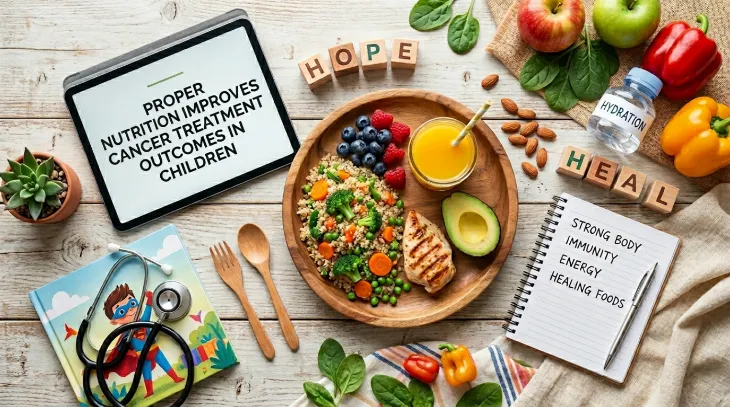
Protein sufficiency matters as much as caloric density. Children undergoing chemotherapy need adequate protein to repair tissue and support immune function. Pulses, eggs, curd, and milk, even in small amounts should be included at every meal where the child will tolerate them.
For children who are severely undernourished or unable to eat adequately, clinical nutritional supplements can provide a reliable caloric baseline. These are provided directly through Cuddles Foundation’s FoodHeals™ Program at no cost to families.
Caregiver Education Is Part of the Intervention
Knowing what to feed a child is only useful if the caregiver knows how to prepare it, how to encourage a child with low appetite to eat it, and how to sustain these practices at home between hospital visits. This is why caregiver education is built directly into the FoodHeals Program.
In a survey of 1,327 caregivers across multiple hospital sites, 85% reported feeling better equipped to manage their child’s nutritional needs during treatment after participating in the programme. 100% rated nutrition support as important. These aren’t abstract sentiments — they reflect caregivers who came in uncertain and left with practical knowledge they could apply every day.
Faiyaz, whose son Sahil was enrolled in the FoodHeals Program, put it simply: the support from the Cuddles team saved his son’s life. He had to put Sahil’s health first, which meant stepping back from work. The nutrition support the family received made that sacrifice possible — and meaningful.
The Outcome That Matters
Cuddles Foundation’s 2025-26 Impact Report shows that among children who entered the FoodHeals Program with 58% classified as undernourished, by the end of treatment only 33% remained in that category. The proportion of well-nourished children rose from 38% to 54%. Undernourishment dropped by 25% across the treatment period.
These numbers reflect what happens when high-calorie, personalised, consistently supported nutrition is part of a child’s cancer care. Not an afterthought, but an integrated clinical intervention.
If your child is losing weight during treatment, or if you are supporting a family navigating this, Cuddles Foundation’s nutritionists are present in 50 hospitals across India. Ask your treating team about a referral, or reach out directly.
Donate to help more children receive the nutrition support they need.