

When 5-year-old Sejal from Nanded arrived in Mumbai for cancer treatment, she barely spoke and barely ate. Diagnosed with B-cell Acute Lymphoblastic Leukaemia, she struggled through repeated bouts of mucositis, painful inflammation of the mouth and digestive tract, and neutropenic enterocolitis, a serious inflammation of the intestines caused by low immunity, that left her weaker with each cycle. At her worst, severe mucositis left her unable to eat or drink for six days.
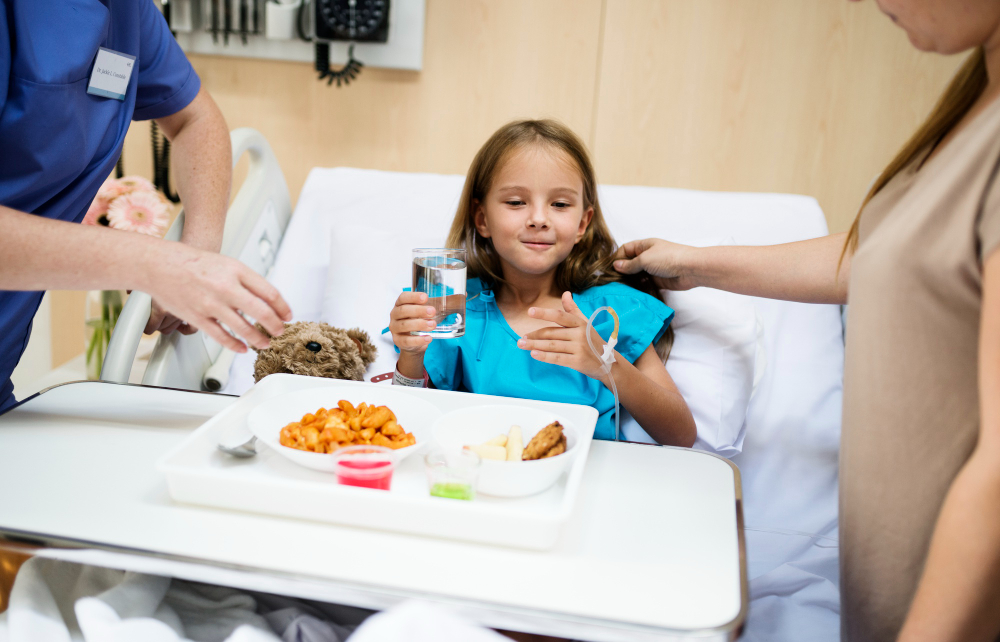
Her nutritionist Bhakti at Wadia Hospital, part of Cuddles Foundation’s FoodHeals™ Program, monitored her round the clock. When oral feeding became impossible, she ensured Sejal received nutrition intravenously. When Sejal could eat again, bite by careful bite, Bhakti built a meal plan around her side effects, her treatment cycles, and her very particular preferences as a picky five-year-old. Slowly, Sejal began to trust. Then she began to eat. Today, she is well-nourished and in the maintenance phase of her treatment.
Sejal’s father put it simply: “Feed your child well and stay positive. This disease tests your strength, but if you stay hopeful, victory will be yours.”
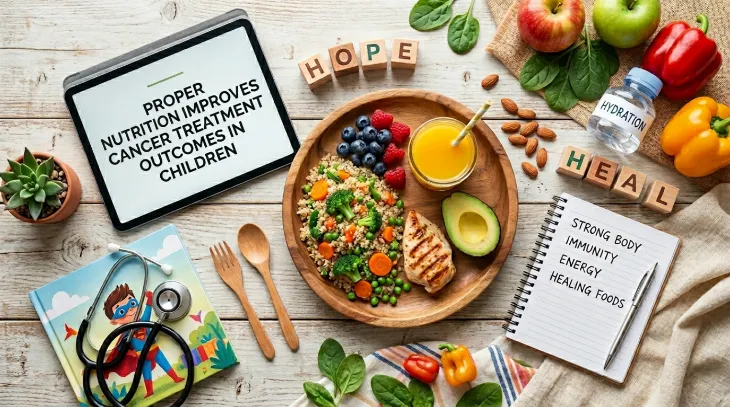
What Sejal’s story illustrates, and what Cuddles Foundation’s data confirms across 20,277 children, is that what a child eats during cancer treatment is not a side issue. It is central to whether they get through it. And 100% of caregivers surveyed across Cuddles Foundation’s partner hospitals rated nutrition support as important during their child’s treatment.
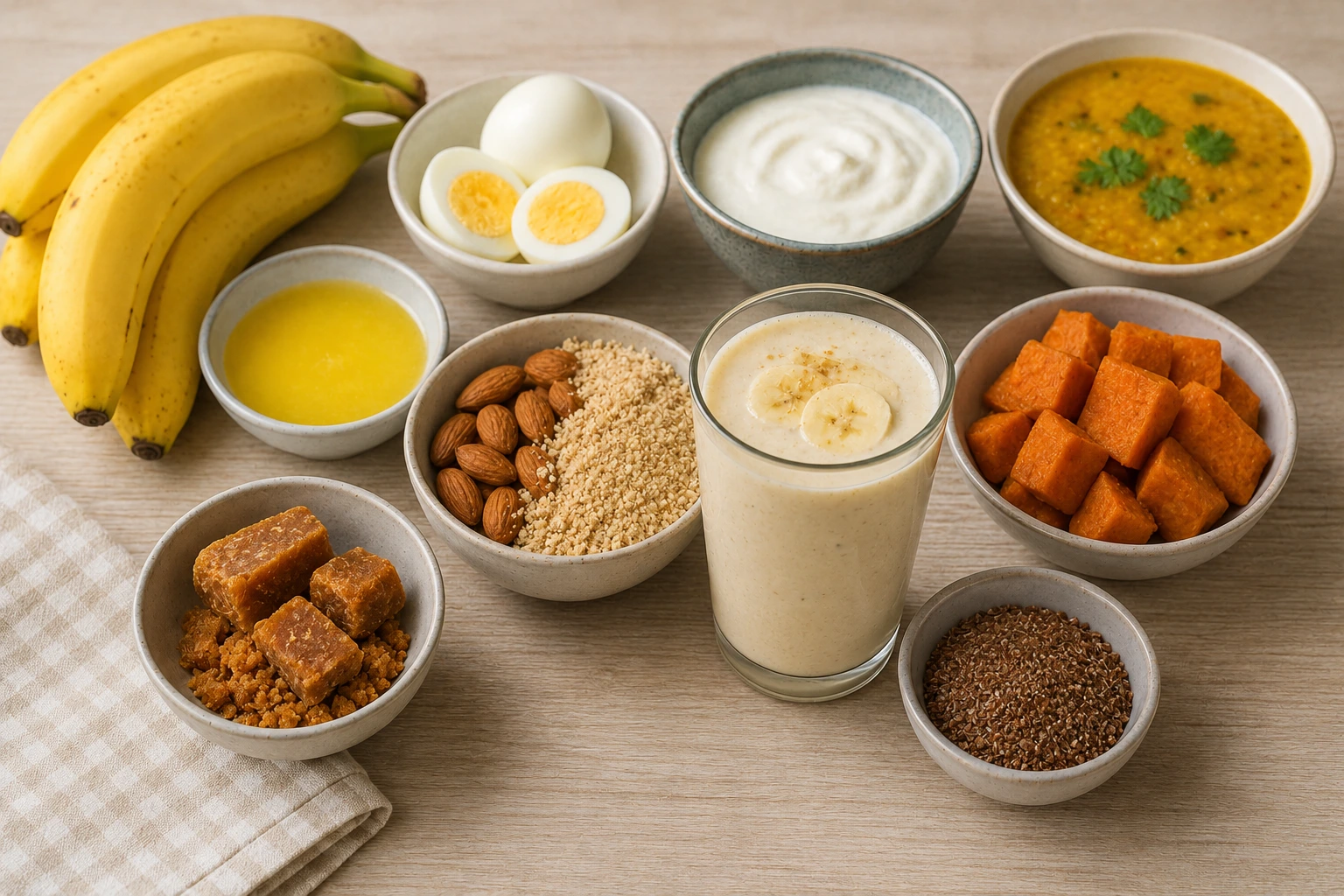
Here are ten foods that paediatric oncology nutritionists at Cuddles Foundation use consistently across 50 hospitals in India, grounded in published clinical guidance.
1. Banana
Soft, requiring no preparation, producing no strong smells, important when nausea is present. Bananas are one of the most practical foods for children during chemotherapy. They provide quick energy, potassium (depleted by vomiting and diarrhoea), and vitamin B6. They are gentle on mucositis-affected mouths and one of the most consistently recommended in-meal foods in Cuddles Foundation’s hospital program. When a child can manage almost nothing else, a banana is often something they will accept.
2. Eggs
One of the most complete protein sources available, providing all essential amino acids, eggs are soft, versatile, and quick to prepare. Scrambled, soft-boiled, or mixed into khichdi, eggs support tissue repair and immune function during treatment. For a child who is protein-depleted from weeks of poor intake, a soft scrambled egg at breakfast is one of the most clinically useful foods a parent can offer.
3. Curd (Dahi)
Cool, smooth, soft, and often well-tolerated even when appetite is very poor, curd provides protein, calcium, and beneficial bacteria that support gut health, particularly important during chemotherapy, which disrupts the gut microbiome. For children with mouth sores, cold freshly set curd which is not too sour, directly from the refrigerator, provides both nutrition and comfort. It can be eaten plain, mixed with rice, or blended with banana into a small, high-calorie drink.
4. Dal (Lentils)
A staple of the Indian kitchen and one of the most nutrient-dense everyday foods available, providing plant protein, iron, folate, and complex carbohydrates. Thin, well-cooked dal is easy to swallow even with mucositis, and a teaspoon of ghee stirred in significantly increases caloric density without changing texture or volume. Dal khichdi, cooked with rice is soft, complete, and one of the most commonly recommended foods by Cuddles Foundation nutritionists for children in active treatment.
5. Ghee
Arguably the single most practical calorie-booster in an Indian kitchen. A teaspoon of ghee added to dal, rice, roti, or khichdi adds approximately 45 calories without increasing volume. For a child who can only manage small amounts, as Sejal could during the worst of her treatment, fortifying with ghee at every meal can meaningfully improve daily caloric intake across the day. It is also rich in fat-soluble vitamins A, D, E, and K, all relevant to immune function.
6. Almonds and Groundnuts (Ground or Powdered)
Whole nuts are difficult to chew and swallow during treatment. But ground or powdered almonds and groundnuts can be added invisibly to khichdi, porridge, dal, or warm milk providing protein, healthy fats, and calories in a form the child does not need to recognise or chew. A glass of warm milk with a teaspoon of almond powder is one of the most calorie-efficient, child-friendly options available when solid foods are being refused.
7. Banana-Milk Smoothie or Fortified Milk
Liquid calories are often the most accessible option for children with poor appetite, mouth sores, or fatigue. A smoothie made from banana, full-fat milk, and a teaspoon of peanut butter or almond powder can provide 250–300 calories in a small, palatable volume. For children like Sejal, who struggled to eat solid food for extended periods, caloric drinks served cold were often the most manageable option. Full-fat milk drunk regularly throughout the day, even in small amounts, provides protein, fat, and calcium consistently.
8. Sweet Potato
Naturally sweet, soft when cooked, and gentle on a sensitive digestive system, sweet potato is rich in beta-carotene, potassium, and complex carbohydrates. The natural sweetness can appeal to children whose taste perception has changed during chemotherapy, a common side effect that makes previously enjoyed foods taste metallic or bitter. Mashed sweet potato or sweet potato soup requires minimal chewing and can be offered in very small amounts frequently.
9. Jaggery
Provides iron and quick energy in a form many children find more palatable than plain sugar. It can be stirred into porridge, dal, or warm milk, or used to sweeten foods the child is willing to eat. Iron is particularly relevant during chemotherapy, when red blood cell production is suppressed. Jaggery is not a substitute for prescribed iron supplementation in significantly anaemic children, but as a dietary addition it is practical, affordable, and culturally familiar across most Indian households.
10. Flaxseeds (Ground)
Rich in omega-3 fatty acids which have anti-inflammatory properties relevant to reducing some of the systemic inflammation associated with cancer and its treatment. Roasted and ground flaxseeds can be added to khichdi, curd, or roti dough in small quantities. A teaspoon adds nutritional value invisibly and without significantly changing the flavour of familiar foods. Cuddles Foundation nutritionists include flaxseeds in dietary counselling for families because they are low-cost, widely available, and nutritionally significant even in small amounts.
A Critical Note on Food Safety
Children undergoing chemotherapy are immunocompromised. Food hygiene is not optional; it is a clinical priority. All foods should be freshly prepared and thoroughly cooked. Raw foods such as uncooked salads, uncooked sprouts, and unpasteurised dairy carry infection risks that are significantly elevated in immunosuppressed children and should be avoided unless specifically cleared by the treating team.
When Food Alone Isn’t Enough
For children who are severely malnourished or unable to meet even minimum caloric requirements through food, as Sejal was during her worst period- clinical nutritional supplements prescribed by a trained paediatric oncology nutritionist, or in severe cases tube or intravenous feeding- may be required. These decisions need professional assessment. Cuddles Foundation’s FoodHeals Program places trained paediatric oncology nutritionists inside hospitals across India; their job is to make exactly these calls, at exactly the right time.
For personalised dietary guidance tailored to your child’s specific treatment protocol, ask your treating oncologist about a referral to the nutrition team, or visit cuddlesfoundation.org to find out which partner hospitals have a Cuddles nutritionist.
Donate to help more children like Sejal get the nutrition support they need.