

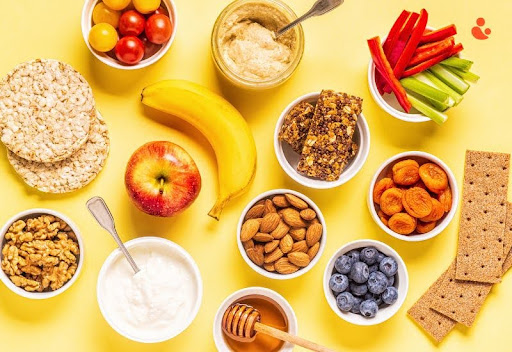
When a child is undergoing cancer treatment, proper nutrition becomes even more important, but things like nausea, loss of appetite, and mouth sores can make eating large meals tough. As a caregiver, providing small, frequent snacks that are nutritious, easy to eat, and easy to pack, especially for frequent hospital visits, can help keep your child’s strength up during this challenging time.
India’s diverse diets and eating habits work in your favor—more variety means more food options! Here are a few easy snack ideas that can be enjoyed across the country and customized to suit what’s locally available. These can also be included as part of your child’s nutrition for children with cancer plan, based on their individual needs.
Laddoos
Laddoos, the favorite snack of Chhota Bheem, are a traditional Indian sweet made from cereal or pulse flour, nuts, ghee, and a sweetener like jaggery, sugar, or dates. They’re not only delicious but also packed with calories and protein to help kids gain or maintain weight. Some healthy laddoo options include:
- Ragi laddoo made with finger millet flour, jaggery, and ghee
- Chana dal laddoo made with chickpea flour, jaggery, and nuts
- Peanut laddoo made with roasted peanuts, jaggery, and milk powder
- Foxnut or makhana laddoo made with roasted makhana, nuts, jaggery, and ghee
To make laddoos, roast the flour and nuts in ghee until aromatic. Powder the nuts and then mix everything together with jaggery, and shape into round balls. If your child finds the laddoos too dry or hard to swallow due to treatment-related mouth dryness, simply crush them in milk and serve as a porridge for an easier, nourishing option.
Cutlets and Tikkis
These are a healthier alternative to fried foods. Here are some tasty cutlet and tikki options:
- Vegetable cutlets or tikkis made with potatoes, carrots, sweet corn, peas, and spices
- Green cutlets with green peas, spinach, coriander leaves, sattu, and spices
- Paneer cutlets featuring cottage cheese, boiled potatoes or sweet potatoes, and your choice of vegetables
- Bean cutlets made from boiled chole or rajma, combined with potatoes and vegetables
Cutlets or tikkis can be shaped into small flat rounds and shallow-fried in a minimal amount of oil, then served alongside a non-spicy mint chutney. Be sure to load these with plenty of vegetables, sprouted legumes, or paneer, while minimizing the use of potatoes or bread to keep them nutrient-rich. If binding becomes an issue, you can simply add some roasted chana flour, powdered poha, besan, or sattu to the mixture.
You can also adjust the spice levels and texture of the tikkis based on your child’s tolerance. Sometimes, serving the cutlets mashed in a bit of curd can make them easier to consume. Sprinkling some chaat masala on the tikki can also add to the taste.
Almonds and Groundnuts
Whole nuts can be difficult to chew and swallow during treatment, especially when a child has mouth sores or dryness. Ground or powdered almonds and groundnuts can be added to khichdi, porridge, dal, or warm milk to provide protein, healthy fats, and calories in an easier-to-eat form.
A glass of warm milk with a teaspoon of almond powder can be a simple snack option when solid foods are difficult to eat. The powder can also be mixed into foods the child already enjoys, making it easier to add extra nutrition without changing the meal too much.
Smoothies
Who says snacks have to be solid? Smoothies can be a fantastic choice for children with cancer, offering essential nutrients in a tasty and easy-to-drink format—especially when they’re dealing with side effects like mouth sores, nausea, and vomiting. They can help boost energy levels, increase protein intake, and support hydration. So do try:
- Banana peanut butter smoothie: A blend of bananas, peanut butter, milk, or a dairy-free option like almond or soya milk.
- Mango milkshake or lassi: Mix together fresh mangoes (or any fruit) with milk for a yummy drink. If the child has been advised to avoid milk for some reason, switch milk with a non-dairy option or curd.
- Savory smoothie: If sweet is not the preferred taste, try a savory smoothie made with boiled chickpeas, tomatoes, coriander, buttermilk, salt, and some spices.
Sandwiches and Rolls
Sandwiches and rolls make for easy and satisfying snacks. Opt for whole wheat bread, or even better, chapati or paratha for an extra nutritious roll. Here are some tasty ideas:
- Toasted Vegetable Sandwich: Layered with cucumber, tomatoes, and cheese.
- Paneer Sandwich or Roll: A simple paneer bhurji stuffed between two slices of bread or rolled into a chapati.
- Boiled Egg Roll or Sandwich: A boiled egg, cubed and mixed with hung curd and a dash of mustard, served between bread slices or rolled into a chapati. Serve with your child’s favorite chutney.
Feel free to get creative with fillings, but aim for at least half to be vegetables (remember, potato doesn’t count as a vegetable!) and the rest should include a protein source like sprouts, eggs, paneer, curd, cheese, or soy. If your child is dealing with mouth sores or dryness, serving the sandwiches cold instead of toasted or adding a dipping sauce that helps moisten the roll can make them easier to eat.
To make snack time smoother, prepare these options in advance and store them hygienically for easy access. When choosing snacks, prioritize high-calorie, high-protein options to help your child maintain their weight and strength during treatment. Avoid foods that may worsen side effects like mouth sores or nausea.
Every child’s nutritional needs during cancer treatment can vary, so it’s essential to collaborate closely with your child’s doctor and dietitian. Together, you can create a snack plan that strikes the right balance of calories, protein, and nutrients to support your child’s needs during treatment. With a little creativity and patience, you can turn snack time into a nourishing and enjoyable experience for your child.
For personalised dietary guidance tailored to your child’s specific treatment protocol, ask your treating oncologist about a referral to the nutrition team, or visit Cuddles Foundation to find out which partner hospitals have a Cuddles nutritionist.