

Why do Cancer Patients Lose Appetite?
For parents of children with cancer, mealtimes can become one of the hardest parts of the day. The child who once loved their dal chawal or favourite snack now turns away from the plate entirely. Nothing smells right. Everything tastes different. And nothing seems to work.
This is one of the most common and distressing side effects of cancer and its treatment. It has a name: cancer-related anorexia, or loss of appetite in the context of cancer. It is not a phase. It is not the child being difficult. It is a well-documented physiological response to both the disease and the treatment and understanding why it happens is the first step toward managing it.
The Biology Behind Appetite Loss
Cancer affects appetite through multiple overlapping mechanisms. The tumour itself can alter the body’s metabolic signalling, releasing cytokines (inflammatory proteins) that suppress hunger signals in the brain. A 2020 review published on cancer-related anorexia noted that pro-inflammatory cytokines including IL-1β, IL-6, and TNF-α play a central role in disrupting normal appetite regulation, reducing gastric emptying, and altering taste and smell perception.
Chemotherapy adds its own layer. The most common treatment-related causes of appetite loss in children include nausea and vomiting, mucositis (painful inflammation of the mouth and digestive tract lining), dysgeusia or taste changes (food that previously tasted normal may now taste metallic, bitter, or simply wrong), fatigue, constipation, and anxiety. Radiation to the head, neck, or abdomen creates additional barriers to eating. Steroids, used widely in paediatric cancer protocols, initially stimulate appetite but cause significant weight gain that then reverses sharply when the steroid cycle ends.
The 2024 consensus statement published in Nutrients on managing undernutrition in paediatric oncology was explicit: nutritional deterioration during treatment is not just a consequence of reduced intake — it is also driven by increased metabolic demands, altered nutrient absorption, and treatment-induced catabolism. A child losing weight during treatment is not just eating less. Their body is also working harder and less efficiently.
How to Manage Appetite Loss in Children with Cancer
The practical management of appetite loss in paediatric cancer requires a combination of clinical support and everyday strategies. None of these replace medical care, but they can make a real difference alongside it.
Small and frequent is better than large and infrequent. A child whose appetite is suppressed cannot manage a full plate three times a day. Offering small amounts every two to three hours, whenever the child is most comfortable, usually in the morning or between treatment cycles is far more likely to succeed than structured mealtimes.
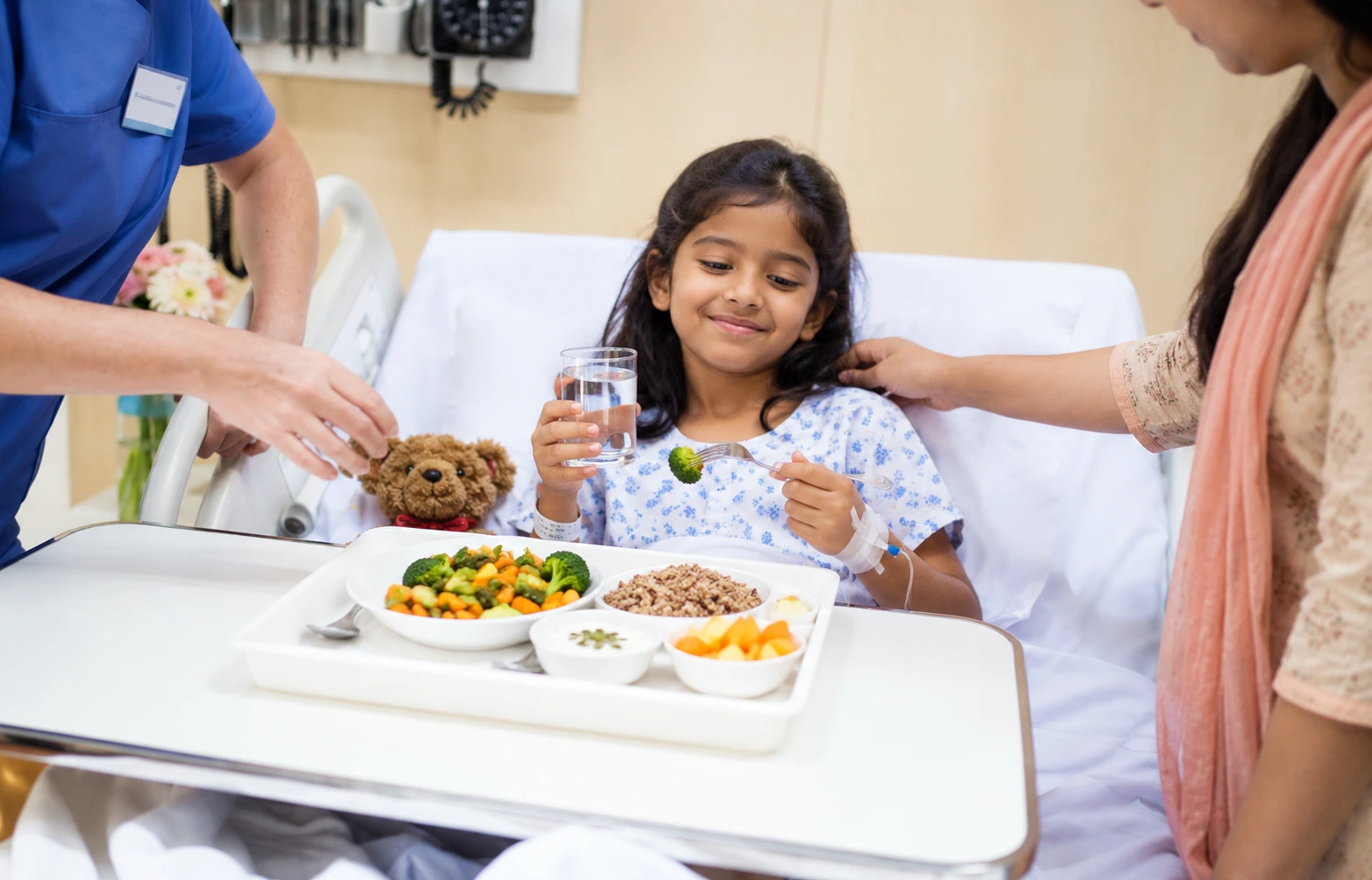
Familiar foods work better than nutritionally “correct” ones. When appetite is poor, the goal is calories first. A child who will eat a small bowl of khichdi with ghee, or a banana with peanut butter, is getting more nutrition than one who refuses the nutritionist-approved meal they find unappealing. Culturally familiar, soft, easy-to-eat foods that the child already loves are the best starting point.
Addressing specific side effects helps. For taste changes, cold foods are often better tolerated than hot ones, and metallic tastes can sometimes be reduced by using plastic utensils and avoiding red meat. For mouth sores, soft, smooth textures (curd, mashed foods, smoothies) reduce pain. For nausea, dry foods like plain toast or crackers before getting out of bed in the morning can help. For fatigue, food that requires minimal effort to eat (finger foods, drinks with calories, ready-to-eat options) reduces the energy expenditure of mealtimes.
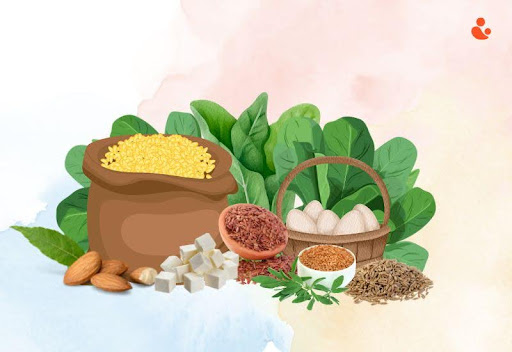
Fortifying small amounts is more effective than increasing volume. Adding ghee, coconut oil, peanut butter, ground nuts, jaggery, or dry fruit powder to small portions of food significantly increases caloric density without increasing how much the child needs to eat.
Sathi, whose daughter Sayantika was fighting cancer and enrolled in Cuddles Foundation’s FoodHeals Program, described the change a customised nutrition plan made: after receiving personalised dietary guidance and monthly ration and supplement support, Sayantika not only grew stronger, her mood lifted and she wanted to play again.
Appetite loss in cancer doesn’t just affect the body. It affects the spirit.
When Clinical Nutrition Support is Needed
For children who are severely malnourished or unable to meet even minimum caloric requirements through food, clinical nutritional supplements, prescribed and monitored by a trained paediatric oncology nutritionist, can provide a reliable caloric baseline. In the most severe cases, nasogastric feeding or parenteral (intravenous) nutrition may be required.
This is why the role of a dedicated nutritionist inside the treatment team matters. Identifying when a child has crossed the threshold from manageable appetite suppression to clinical malnutrition and intervening before it compromises treatment, requires professional assessment. Cuddles Foundation’s FoodHeals Program places trained paediatric oncology nutritionists inside 50 hospitals across India, ensuring that children receive this assessment from Day One, not as an afterthought, but as part of their core treatment protocol.
With 96% of children who receive nutrition support following through on their treatment plan, the evidence is clear: addressing appetite loss isn’t separate from treating cancer. It is part of it.
Cancer NGOs in Mumbai: Where to Get Help
For families in Mumbai whose child is losing weight during treatment and not getting adequate nutritional support, Cuddles Foundation works inside Tata Memorial Hospital, Wadia Hospital, and SRCC Children’s Hospital, among others. Ask your treating oncologist about a referral to the nutrition team.
Donate to help more children get the nutritional support they need.