

In most hospitals in India, the paediatric oncology ward has an oncologist, a haematologist, nurses, and a pharmacist. What it often doesn’t have, particularly in government and charity hospitals, is a trained paediatric oncology nutritionist.
That absence has clinical consequences. And filling it is exactly what Cuddles Foundation has been doing, one hospital at a time, for the past 13 years.
What a Paediatric Oncology Nutritionist Actually Does
The role of a nutritionist in cancer care is frequently misunderstood. It is not about giving families a diet sheet and sending them home. In the context of paediatric oncology, a clinical nutritionist is performing a set of functions that directly affect treatment outcomes.
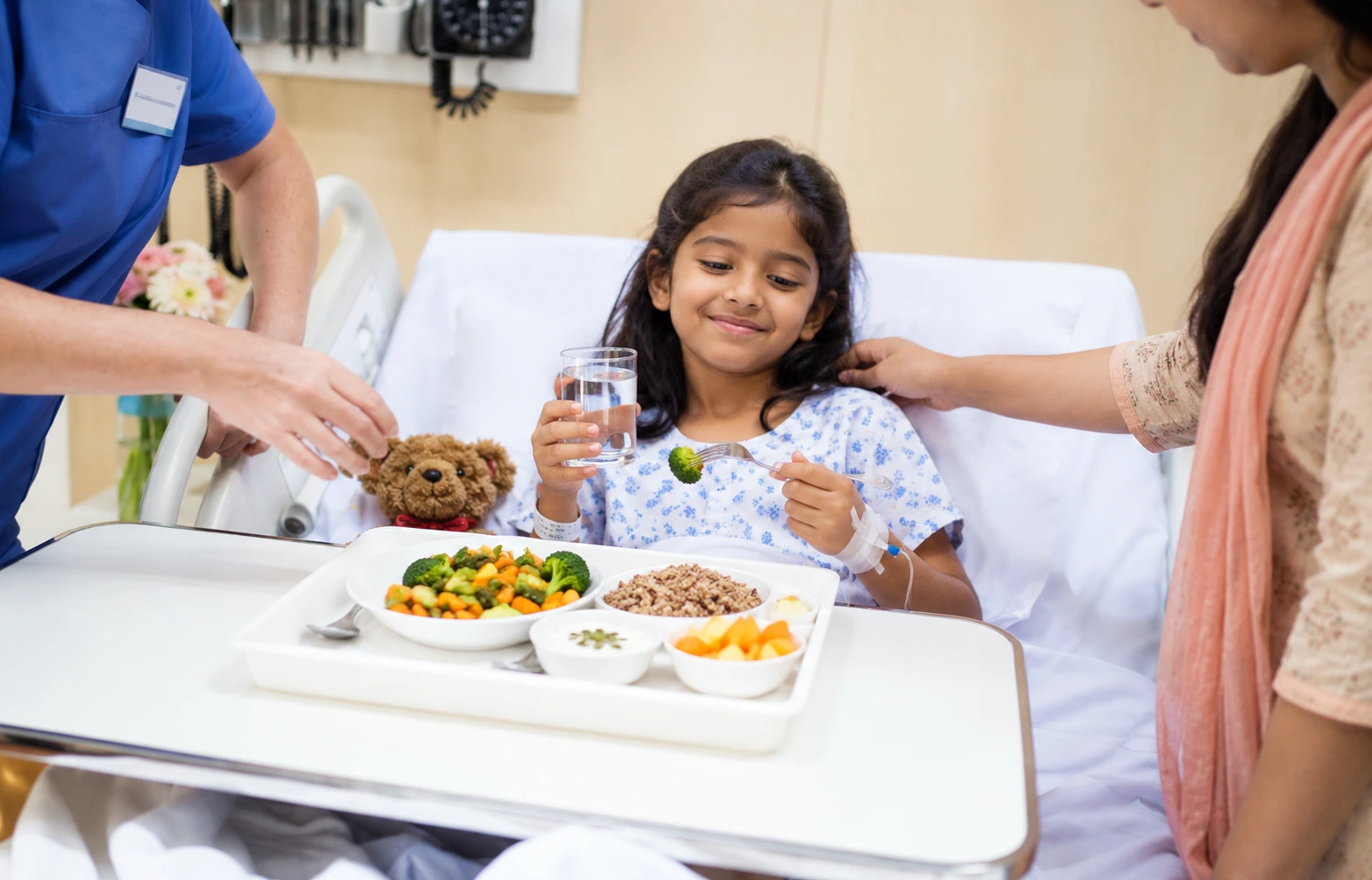
At the point of admission, they conduct a nutritional assessment, measuring MUAC, BMI, and other anthropometric markers, to establish a baseline. They identify which children are already malnourished and at highest risk of treatment-related complications. They evaluate the specific side effects of the child’s treatment protocol, which drugs are being used, whether radiation is involved, whether the child is undergoing bone marrow transplant, and design a dietary plan that anticipates and mitigates those effects.
Throughout treatment, they monitor and reassess. When a child’s status deteriorates because of a new infection, a difficult chemotherapy cycle, or prolonged hospitalisation, they adjust the plan before the deterioration becomes a clinical crisis. They counsel caregivers on what to feed the child at home between visits, equipping families with the practical knowledge to sustain nutritional support outside the hospital.
In 2025-26, Cuddles Foundation’s nutritionists conducted over 2,85,700 counselling sessions across 48 partner hospitals. That is not a supplementary service. That is clinical infrastructure.
What the Evidence Shows
A 2023 prospective cohort study on nutrition support in paediatric oncology in low- and middle-income countries found that nutritional interventions including those delivered by trained nutritionists embedded in hospital teams were associated with improved nutritional status and treatment tolerance, and recommended that nutrition support be integrated into standard paediatric oncology care in all settings.
Dr. Nita Radhakrishnan, Additional Professor and Head of Department at PGICH Hospital, Noida, states it plainly: ensuring access to good quality, adequate food is as important as providing chemotherapy, antibiotics, and other life-saving therapies. Regular nutritional monitoring and early support are not optional, they are essential parts of care.
Sahil’s father described what happened after Sahil was enrolled in the FoodHeals program and when a nutritionist finally entered their lives: the support from the Cuddles team saved his son’s life. He had to put Sahil’s health first, which meant stepping back from work. The presence of a nutritionist, someone who told them specifically what to feed Sahil, monitored his progress, and provided supplements, made that difficult choice sustainable.
The Outcomes That Nutritionists Drive
Cuddles Foundation’s 2025-26 Impact Report shows that 81% of children supported through FoodHeals either improved or maintained their nutritional status despite chemotherapy or radiation. In a survey of 1,327 caregivers across multiple hospital sites, 85% reported feeling better equipped to manage their child’s nutritional needs during treatment, a direct outcome of the counselling and caregiver education that nutritionists provide.
These outcomes are not incidental. They are the result of trained, dedicated professionals doing a specific clinical job inside hospitals that would otherwise have no one doing it.
Why This Matters in the Indian Context
58% of children entering Cuddles Foundation’s partner hospitals are undernourished at diagnosis. Many come from families earning under ₹10,000 a month. Many have travelled significant distances and cannot afford food near the hospital. Many have caregivers who have never been told what a child undergoing chemotherapy actually needs to eat.
A nutritionist addresses all of this, not just clinically but practically and educationally. They are, in many partner hospitals, the most consistent point of human contact a family has throughout treatment.
Learn more about the FoodHeals™ Program and support the work of Cuddles Foundation’s nutritionists.