

There’s an important difference between keeping a child alive through treatment and giving them a real chance at survival. The difference, more often than not, comes down to nutrition.
Most people understand that children with cancer need medical care. Fewer realise that without adequate food and nutrition during that care, treatment itself can become harder to complete and survival less likely. This is why cancer nutrition NGOs exist. Not to replace medical teams, but to make sure that families go through the complete medical treatment and that treatment actually works. Research in pediatric oncology has shown that malnutrition during treatment can increase infection risk, reduce tolerance to therapy, and affect overall survival.
The Gap That NGOs Fill
In India’s public hospital system, oncologists and nurses are stretched. Nutritional care, as essential as it is, often falls through the cracks. There’s no one dedicated to constantly assessing whether a child is eating enough, or whether their body can handle the next round of chemotherapy.
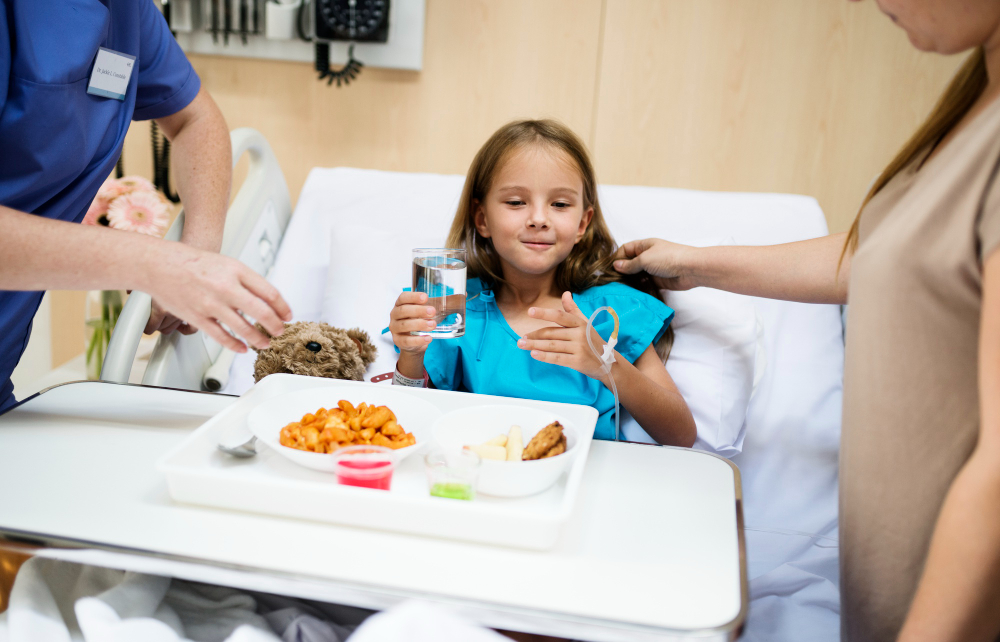
NGOs for children with cancer step into that gap. A dedicated cancer nutrition NGO places trained nutritionists inside pediatric cancer wards in hospitals, working alongside the medical team as part of the care protocol. They assess every child. They monitor changes. They intervene before malnutrition becomes a crisis.
When nutrition and support with the right foods and supplements is consistently part of a child’s care, 97% of children follow through on their treatment plan — returning for their next visit, continuing their protocol, not falling off the map.
How the FoodHeals Program Works
At Cuddles Foundation, the FoodHeals Program takes nutrition support from first assessment all the way through to caregiver education. Every child entering a partner hospital is screened for nutritional status. Side effects that could affect eating are factored into their plan. A customised diet is prescribed. Not a generic one, but one designed around that specific child’s diagnosis, condition, treatment protocol, and what their family can realistically manage.
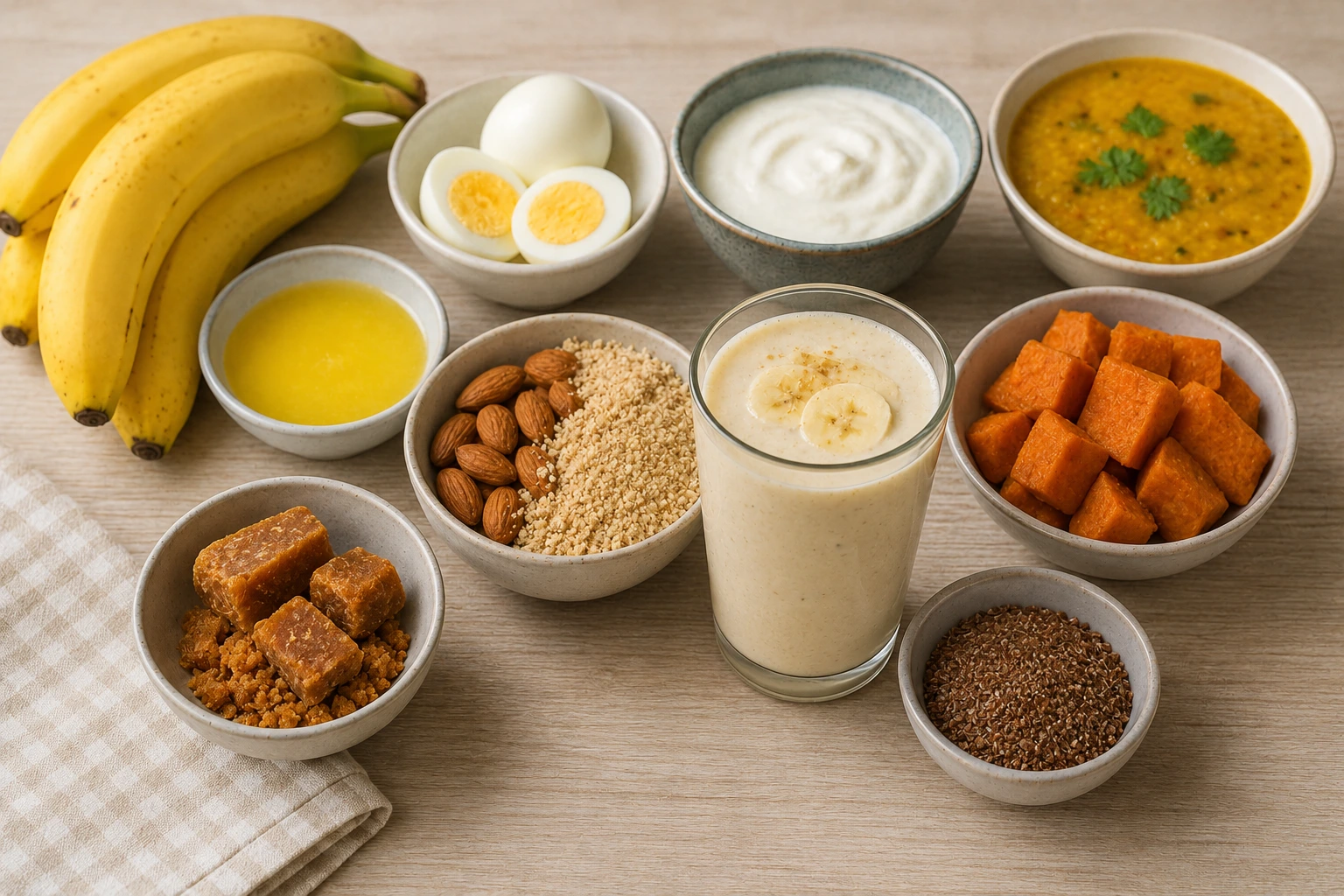
From there, the support is tangible and ongoing. Nutritional supplements for children who are severely malnourished. In-meals; eggs, bananas, dry fruits, milkshakes for children at the hospital. Freshly prepared hot meals for families who have been in outpatient queues since early morning. And monthly ration bundles that help with 100% of a child’s daily caloric needs at home and covers the requirements of a 4 member family. Nutrition support that reaches families this way saves caregivers an estimated ₹8,000 in monthly expenses. Meaningful relief for families where most earn under ₹10,000 a month.
Then there are the parent support group meetings; where caregivers learn to feed their child well at home, on limited budgets, between hospital visits.
Sathi, whose daughter Sayantika was treated at a partner hospital, described what this support meant to her family. After receiving a customised diet plan and monthly ration and supplement support, Sayantika not only grew stronger physically — her mood lifted too. She wanted to play and learn again. “Knowing so many people are helping feed my child every day means I haven’t lost her,” Sathi said.
What Doctors Say
The impact of nutrition on cancer outcomes isn’t just reported by families. It’s documented by the medical teams working alongside Cuddles Foundation nutritionists every day.
In a survey of 48 partner doctors, 94% reported significant improvement in patients’ overall health, and 83% felt that nutrition interventions had reduced complications like infections and delayed recovery. As Dr. Nita Radhakrishnan, Pediatric hemato-oncologist at PGICH Hospital, Noida, puts it, good food keeps children energetic, positive, and on track for long-term recovery — and the FoodHeals Program has made a real difference for children from underprivileged backgrounds.
Why Nutrition Affects Survival; Not Just Comfort
This is where it helps to be direct. Nutrition in paediatric cancer is not a comfort and an add-on measure. It is a clinical and mandatory one.
Children who are better nourished experience fewer treatment complications, have stronger immune responses, and are in a better position to deal with the side-effects of treatment that can derail a course of chemotherapy. Cuddles Foundation’s work across 48 hospitals in 17 states shows this at scale. The evidence isn’t anecdotal — it’s tracked, measured, and published in a full annual impact report.
What to Look for in Cancer Nutrition NGOs
Not all cancer NGOs in Mumbai or anywhere, address nutrition with the same depth. When evaluating an NGO for children with cancer, it’s worth asking:
- Do they train nutritionists and place them inside pediatric cancer wards in hospitals?
- Do they personalise care for each child?
- Do they track the child’s nutritional care and status across the entire treatment journey that can sometimes last years?
- Do they publish outcomes?
Organisations that treat nutrition as a clinical intervention and not a charitable add-on, are the ones most likely to affect survival, not just patient comfort.
Food Heals
A child with cancer who is well-nourished has a fighting chance. A child who is undernourished, in a system that doesn’t have the resources to address that, is fighting two battles at once. Cancer nutrition NGOs bridge that gap. And in doing so, they don’t just make treatment more bearable. They make survival more possible.