

Introduction
The word CANCER alone carries a heavy psychological burden for both patients and their families. However, if this happens to a child, then the stress and anguish that families face can be enormous and overwhelming.
Unfortunately, for individuals in Low- and Middle-Income Countries (LMICs), this burden is increased even further due to limited access to medical care, poor economic status, low levels of literacy and awareness often resulting in delayed diagnosis. It is also common to see children presenting with advanced disease at time of diagnosis. It has been observed that as a result of these factors, children with cancers in LMICs have a higher mortality rate than their peers from high income countries. (Atun, 2020)
Often, families travel from small towns or villages to urban centers in search of better-quality treatment, where the cost of living is significantly higher. In many cases, parents or caregivers leave their homes and jobs behind to ensure their child receives proper medical care.
Food becomes a basic yet significant expense, during treatment, adding to the financial burden. Providing high-quality nutritional support to children and their families—such as the program offered by Cuddles Foundation—alongside other supportive measures during active treatment, helps reduce malnutrition, lowers the risk of treatment abandonment, and promotes a smoother, more effective recovery (Narula, 2017)
What is the impact of undernutrition in Childhood Cancer?
The cancer burden in children from LMICs is staggeringly high. Nearly 80-90% of worldwide cancer cases are diagnosed in LMICs. As mentioned earlier the prognosis is also poorer in LMICs compared to high-income countries (HICs) due to a complex interplay of social, economical and medical factors. A higher treatment abandonment rate is also observed in LMICs due to factors, including the inability to afford medical care, myths that cancer is incurable or contagious, fear of the side effects associated with aggressive treatments, and a lack of adequate family or social support.
Studies have time and again shown that the majority of the children with cancer are undernourished when they start their treatment.Venkiteswaran 2022. This calls for more attention for nutrition support to help improve their response to treatment, prevent severe side effects and treatment toxicity, cancer cachexia, and enhance quality of life. Ganguly, 2021. Poor nutritional status at the start of and during treatment can also result in frequent infections, frequent stoppages in treatment, repeated hospitalization, inability to tolerate treatment which can sometimes lead to treatment abandonment or relapse and poor survival.
When patients face delays in diagnosis of the disease it places them under a dual burden of poor prognosis and nutritional deficiencies. Rogers 2020 Providing adequate nutritional support for the entire duration of cancer treatment starting at diagnosis can significantly improve their ability to tolerate and respond to treatment.
Why Is Good Nutrition Essential for Children Undergoing Cancer Treatment?
Cancer is characterized by rapid, abnormal cell division, the control of which requires intensive treatment—such as chemotherapy, surgery, radiation, or a combination of these. As cancer is a hypermetabolic disease the overall nutritional requirements of the body also increase. In children with cancer, nutrition needs to be provided to not just address treatment related needs but also to fuel their growth and development.
The quantity of food in a diet alone is not the only component to ensure dietary sufficiency; the quality of the diet is equally important. A good-quality, nutritionally sufficient varied diet helps prevent muscle loss, manage treatment side effects, improve healing and overall quality of life and becomes a source of psychological comfort.“Will I get better?” “Will I be able to go home soon?” “Will I be able to eat my favourite food again?” “Will I be able to go to school again?” – These are some of the questions Pankaj asked his Cuddles Nutritionist when he first met her. These questions reflect more than just a child’s curiosity—they reflect a deep desire for normalcy, comfort, and hope. For children like Pankaj, food apart from nourishing their bodies also becomes a powerful tool in reclaiming a sense of normal life
How Does Nutrition Support Recovery and Long-Term Survivorship in Children with Cancer?
Nutrition plays a vital role from the time of diagnosis by helping the body build its nutritional reserves needed to withstand the intensive treatment regimen that follows. Children with good nutritional status during therapy tend to experience milder side effects, fewer treatment interruptions, and faster recovery. Pedretti, 2023. Following the completion of cancer treatment, a nutritionally adequate and appropriate diet can help support catch-up growth, often disrupted during active treatment. Along with the right kind of diet, a healthy lifestyle and physical activity can help them lead a healthier life as a survivor.
Top Nutrients Every Child Needs During Cancer Treatment
Loss of muscle mass, drastic weight loss, and fatigue are very common nutritional concerns during cancer treatment. These result from alterations in appetite, changes in taste, gastrointestinal-related side effects, reduced nutrient absorption, metabolic changes, and activation of the immune system. These concerns impact the child’s response to treatment, increase the severity of side effects, and deteriorate the quality of life.
In addition to macronutrients such as carbohydrates, protein, and fat, providing specific micronutrients supports energy production and enhances protein utilization, maintains or improves strength, supports immune function, and promotes overall recovery during cancer treatment.
Protein
Protein is an important macronutrient required for the growth and development of bone, muscles, the immune system, and repairing broken down tissue. Protein requirements are higher, as proteins are not only needed to prevent muscle loss but also to support growth and development, which often takes a backseat during aggressive cancer treatment. The protein requirements for children with cancer range between 1.5-2 g/ kg body weight, depending on their existing nutritional status and clinical condition (Schoeman, 2015) Protein rich foods include eggs, meat, poultry, milk and milk products, soya and soya products, pulses, dals, etc.
Specific amino acids:
Beyond just the quantity of protein consumed, the specific amino acids that make up these proteins are equally important. These amino acids carry out vital functions in the body, especially during periods of stress like illness or cancer treatment. Studies have shown that some amino acids, like glutamine, arginine, tryptophan, etc., have immune-boosting properties and may suppress tumor growth and its spread (Janakiram, 2016). Glutamine specifically has been shown to improve the healing of the mucosal lining that gets damaged as a result of chemotherapy or radiation therapy resulting in side-effects such as mucositis and diarrhea. Thus, consumption of this amino acid helps to decrease the rate of weight loss and treatment interruptions Liu, 2024. Meat, poultry, eggs, and dairy are rich non-vegetarian sources of glutamine, while plant-based options include nuts, tofu, rice, and oats.
Healthy fats:
Fat is an energy-dense macronutrient, giving almost double the calories per gram compared to carbohydrates and proteins. It has been seen that good-quality fats, such as omega-3 fatty acids and monounsaturated fats (MUFAs), play a crucial role in supporting overall health, especially during cancer treatment. Omega-3s, found in fatty fish like salmon, tuna, and sardines, as well as in flaxseeds, walnuts, and chia seeds, help reduce inflammation and support brain and heart health. MUFAs can be found in nuts and seeds and oils like olive oil, sesame oil and groundnut oil. Fried foods from roadside vendors and smaller shops and processed foods like packaged cakes, bakery items should be avoided as they may be prepared using poor-quality reused oil and hydrogenated fats which can contribute to inflammation in the body.
Dietary fiber:
A high-fiber diet serves as food for the gut microbiota and promotes the growth of gut friendly bacteria, such as Bifidobacteria. These microbes help protect the gut lining from absorbing harmful substances, thereby enhancing the body’s first line of defense against infections and inflammation. Dietary fiber helps to bind with toxins and expels them out of the body. Food sources of fiber include whole grains, whole pulses, fruits, vegetables, etc.
Calcium & Vitamin D:
Cancer treatment impacts bone health significantly, slowing the attainment of peak bone mass, affecting bone mineral density, causing poor bone wear and tear, and fractures. Calcium found in milk and milk products, tofu, soya milk, ragi, etc., is an essential mineral necessary for bone growth and development. Vitamin D, which is made by the body when exposed to sunlight, plays a crucial role in calcium absorption and helps maintain adequate levels of calcium and phosphorus in the blood to ensure their effective utilization.
Studies have also shown that vitamin D also has a role in non-skeletal functions such as immunity, allergy, insulin resistance among others. Ensuring adequate vitamin D status is important in children with cancer as studies have shown that approximately 80% of children with cancer in India have insufficient vitamin D levels.(Mohan 2016).
Zinc:
It is a very important nutrient required for various cellular functions. Malnutrition can lead to zinc deficiency, which may impair these functions and increase the risk of infections, cause weight loss, growth defects and delayed wound healing.(Bonaventura 2015). Dietary levels can be maintained by including more poultry, meat, seafood, dairy products, legumes, nuts, and seeds in regular meals.
Nutrition Tips to Counter Cancer Side Effects in Children
Children experience a range of physical, psychological, emotional, and school-related challenges during and after cancer treatment. These challenges vary depending on age, gender, diagnosis, stage of treatment, cultural, and socioeconomic background. (Ruland et. al., 2009)
These challenges directly affect children’s food intake and nutritional status. Mental health challenges should be addressed through active engagement with a psycho-oncologist. Most physical challenges or treatment-related side effects that impact adequate food intake need to be managed through appropriate dietary modifications in consultation with a qualified nutritionist. Anticipating the side effects of treatment before its onset and taking proactive steps in managing them can help prevent these issues from worsening resulting in maintaining nutritional status.
Given below are some of the nutritional challenges faced by children with cancer. The table also outlines some dietary strategies that can be adopted in consultation with a nutritionist to help overcome these challenges.
| Treatment side effects | Dietary strategies to overcome challenges |
|---|---|
| Loss of appetite |
|
| Nausea and vomiting |
|
| Constipation |
|
| Diarrhea |
|
| Dry mouth |
|
| Mucositis |
|
| Difficulty in swallowing |
|
| Bowel Obstruction |
|
| Enteritis/Inflamed colon |
|
What Should a Balanced Diet Look Like for a Child with Cancer?
A child’s meal plate should include age- and gender-appropriate portions of both macronutrients and micronutrients, provided by all major food groups. This ensures balanced and complete nutrition.
Vegetables, green leafy vegetables, roots & tubers, and fruits should form 50% of the plate. These foods are rich in fiber which helps to regularize bowel movements. They also contain antioxidants and phytonutrients that help quench free radicals formed during cancer treatment and consequently reduce oxidative stress.
Tip: Ensuring that the child consumes at least 8-9 different coloured vegetables and fruits in a day helps cover all the different minerals and vitamins the body requires.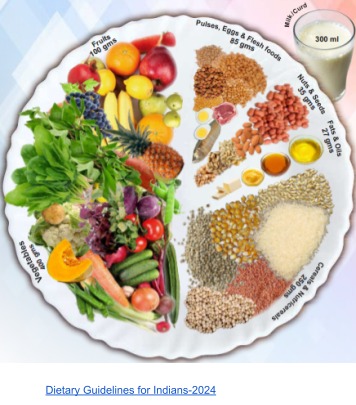
About 15% of the meal plate should consist of protein-rich foods such as pulses, dals, meat, poultry, dairy products, and eggs. These foods provide essential amino acids necessary for muscle growth, tissue repair, and immune support. Easily absorbable sources of protein (high bioavailability or BV protein) should be included in every meal to meet the body’s higher protein needs during treatment. Pairing plant-based proteins with whole grains (like rice and dal) helps to improve amino acid balance and absorption. Tip: To improve protein intake in children with poor appetite, try making the meals nutrient dense by kneading dal or paneer with wheat flour to make chapatis or blending dals into soups for easier consumption especially when side-effects impact food consumption.
The remaining 10% of the plate should consist of healthy fats from sources like nuts, seeds, and oils that are rich in fat-soluble vitamins and omega-3 fatty acids. These fat sources help support energy needs and aid in nutrient absorption. Tip: Adding ground nuts or seed powders (like flaxseed or sesame) to porridge, or drizzling ghee over rice or vegetables helps to boost healthy fat intake without overwhelming their appetite.
A sample balanced meal plan for a child with no complications that covers the most food groups is given below.
| Treatment side effects | Dietary strategies to overcome challenges |
|---|---|
| Loss of appetite |
|
| Nausea and vomiting |
|
| Constipation |
|
| Diarrhea |
|
| Dry mouth |
|
| Mucositis |
|
| Difficulty in swallowing |
|
| Bowel Obstruction |
|
| Enteritis/Inflamed colon |
|
Disclaimer: This is just a sample menu plan. It is best to consult a qualified nutritionist/dietitian to accurately calculate the exact energy and protein requirements for the child. He/She will also help in tailoring the consistency, texture and composition of the meals depending on the phase of treatment and incidence of any side-effects. In summary, every meal should be nutritionally balanced, containing 60-65% of carbohydrates, 15-20% of protein, and 15-20% of fats. Highly bioavailable forms of protein must be a part of every meal. An adequate amount of carbohydrates should be present to allow the body to use proteins effectively for muscle wear and tear. Fat adds to the calories, however, it is essential to add good quality fats to ensure the child gets all the fat-soluble vitamins essential for growth and development.
How to Prevent Infections in Children with Cancer Through Food Hygiene
While a balanced diet is super important to fuel a child’s fight against cancer, it’s equally important to ensure that the food provided to the child is safe and hygienically prepared. It is observed that children undergoing treatment often have weakened immune systems, making them more vulnerable to infections.
During treatment, there is a drop in the white blood cells that help fight infection; thus, it is important for caregivers/ parents to follow a few dietary guidelines when handling and providing food to the child.1. Avoid roadside flavours:
Providing food from roadside vendors or restaurants must be avoided at all times during treatment. Foods from these sources often do not meet basic hygiene preparation standards and can cause food poisoning or gastrointestinal infections in a child with an already weakened immune system. These incidents can sometimes cause treatment delays.
2. Follow a 2-hour rule:
Prepare freshly cooked meals and feed the child within a couple of hours. A thorough hand wash is a must before cooking and feeding the child. Throw out foods that have been at room temperature for more than 4 hours and be particularly careful during the summer months as food spoils faster.
3. Safe Hydration tips:
Use only boiled and cooled water. Store water in closed containers and do not use the same water for more than 24 hours. Avoid unpasteurized fresh juices especially if the source is not known. Do not share the bottle from which the child drinks with others. Avoid unpasteurized milk.
4. Cooked over Raw:
“When in doubt, throw it out.” Never trust dishes that contain raw foods especially when the source is not known. Additionally, raw salads, unpasteurized mayonnaise, unpasteurized honey, and raw egg based dishes are best avoided.
Cuddles Foundation’s FoodHeals Nutritional Programs
The well-being of the child is at the heart of all nutritional programs at Cuddles Foundation. Each program is thoughtfully designed to address the unique needs and challenges faced by children and their families.
These initiatives are implemented across various partner hospitals, where qualified, trained pediatric oncology nutritionists assess each child’s condition and recommend appropriate dietary interventions.
1. Enhance nutrition intake with Nutritional supplements
This program is designed to meet the heightened nutritional demands brought on by the aggressive nature of cancer and its treatment. It aims to correct any pre-existing deficiencies and support children in achieving essential growth milestones during therapy. Supplements—whether oral, enteral (tube feeding), or intravenous—are recommended by a clinical dietitian based on the child’s age, weight, and medical condition.
The critical role of this support is best illustrated by the experience of a single mother whose 5-year-old son was undergoing treatment for leukemia. During a particularly challenging phase, when painful mouth ulcers caused by high-dose chemotherapy made. it impossible for him to eat or drink, timely nutritional intervention through tube and IV feeding became a lifeline. These supplements ensured he continued to receive the nourishment his body desperately needed. As his strength slowly returned, he began eating again and found joy in being able to move around, marking a turning point in his recovery journey.
2. In meals to fill the nutritional gaps between the meals:
At the hospital, snacks or fruits are not provided between main meals. Caregivers or parents often cannot afford to offer healthy snacks or fruits to their children daily, leading them to rely on low-cost processed foods like biscuits and cakes. By providing nutrient-dense snacks such as roasted peanuts, roasted chana, peanut chikki, thick-skinned fruits, eggs, milkshakes, and lassi, Cuddles Foundation ensures that children receive healthier alternatives that help meet their additional nutritional needs.
3. Nutritionally well-balanced hot meal program for sustained energy:
During treatment, children are often required to visit their doctors frequently on an outpatient basis. They typically leave home early without having breakfast, and caregivers often have limited time or resources to prepare and carry meals. The Hot Meal Program helps bridge the long gap between meals, ensuring that no child goes hungry. The menu includes well-balanced, nutrient-dense, child-friendly food options like theplas, soya pulav, dry fruit laddus, kheer, stuffed paratha, etc., prepared in a FSSAI-certified kitchen to maintain high-quality and safety standards.
4. Addressing food insecurity through ration program:
To seek cancer treatment, parents or caregivers often are compelled to leave their homes and livelihood behind and travel to urban cities where the expenses are high. Providing nutrient-dense, high-quality food, becomes difficult for them due to financial difficulties. To address this, the Ration Program was started to supply a food bundle that includes items from the major food groups for the child undergoing treatment and also their caregivers. When this kind of support was extended to the parents of a 14-year-old child who had traveled from Uttar Pradesh to New Delhi for treatment, it made it easier for the mother to follow the nutritionist’s advice, which led to the child gaining 8 kg in just four months. This program has played a significant role in reducing treatment abandonment rates at our partner hospitals.
5. Milk program to maintain body weight and muscles:
Children who are unable to be part of the Ration Program due to the lack of cooking facilities at the hospice they stay in, are included in the Milk Program. This allows them to consume milk twice a day, helping to meet their nutritional needs, prevent weight and muscle loss, and support bone health.
6. Support through group counseling:
Cuddles nutritionists conduct Small Group Discussions (SGDs) every 15 days and Parent Support Group (PSG) meetings every two months. These sessions are designed to educate caregivers and provide a safe, supportive space for them to share their fears and concerns. This approach helps caregivers cope more effectively, feel reassured and motivated, and most importantly, stay committed to their child’s treatment.
Conclusion:
Nutrition support for pediatric cancer is crucial and lifesaving. During active treatment, aggressive nutritional intervention helps the body fight the side effects of intensive treatment and prevents excessive muscle and weight loss. Once they complete the active treatment, providing adequate nutrition and counseling them on maintaining a healthy lifestyle helps them to catch up with growth and lead a healthy life as a survivor.
The most challenging phase is that of active treatment, wherein meeting the nutritional requirements is very difficult owing to the presence of severe side effects that affect the food intake, nutrient absorption, and well-being of the child. Lack of access to good quality nutrition due to financial constraints makes it even worse. Timely nutrition assessment, providing nutritional supplements, healthy snacks, healthy meals, ration, nutrition education, and counseling helps the caregivers or parents of children suffering from cancer to stick with the treatment, as providing food assures them that one of their basic needs is met. Once they experience the positive impact of good quality nutrition on the overall well-being of the child, they start adhering to the advice more mindfully, and the impact of this is seen in the response to the cancer treatment and recovery.
Your one donation towards nutrition support for pediatric cancer has the potential to give so much hope and makes a lasting impact in the lives of our little future warriors!! So go now to our Donate page!!
Donate NowReferences
-
Atun, R., Bhakta, N., Denburg, A., et al. (2020). Sustainable care for children with cancer: A Lancet Oncology Commission. Lancet Oncology, 21(4), e185–e224. https://doi.org/10.1016/S1470-2045(20)30022-X
-
Bonaventura, P., Benedetti, G., Albarède, F., & Miossec, P. (2015). Zinc and its role in immunity and inflammation. Autoimmunity Reviews, 14(4), 277–285. https://doi.org/10.1016/j.autrev.2014.11.008
-
Ganguly, S., Kinsey, S., & Bakhshi, S. (2021). Childhood cancer in India. Cancer Epidemiology, 71, 101679. https://doi.org/10.1016/j.canep.2021.101679
-
Janakiram, N. B., Mohammed, A., Madka, V., Kumar, G., & Rao, C. V. (2016). Prevention and treatment of cancers by immune-modulating nutrients. Molecular Nutrition & Food Research, 60(6), 1275–1294. https://doi.org/10.1002/mnfr.201500959
-
Liu, Y., Li, F., Hu, J., & Cui, J. (2024). The application of immunonutrition in patients with cancer: Current status and future perspectives. Holistic Integrative Oncology, 3(1), 45. https://doi.org/10.21037/hio-23-55
-
Mohan, R., Mohan, G., Scott, J. X., Rajendran, A., Paramasivam, V., & Ravindran, M. (2016). Vitamin D insufficiency among children with cancer in India. Indian Journal of Medical and Paediatric Oncology, 37(1), 14–19. https://doi.org/10.4103/0971-5851.177009
-
Narula, G., Prasad, M., Jatia, S., et al. (2017). Clinicoepidemiological profiles, clinical practices, and the impact of holistic care interventions on outcomes of pediatric hematolymphoid malignancies: A 7-year audit at Tata Memorial Hospital. Indian Journal of Cancer, 54(4), 609–615. https://doi.org/10.4103/ijc.IJC_419_17
-
Indian Council of Medical Research – National Institute of Nutrition. (2024). Dietary guidelines for Indians – A manual. https://www.nin.res.in/dietaryguidelines/pdfjs/locale/DGI07052024P.pdf
-
Pedretti, L., Massa, S., Leardini, D., et al. (2023). Role of nutrition in pediatric patients with cancer. Nutrients, 15(3), 710. https://doi.org/10.3390/nu15030710
-
Rogers, P. C., & Barr, R. D. (2020). The relevance of nutrition to pediatric oncology: A cancer control perspective. Pediatric Blood & Cancer, 67(3), e28213. https://doi.org/10.1002/pbc.28213
-
Ruland, C. M., Hamilton, G. A., & Schjødt-Osmo, B. (2009). The complexity of symptoms and problems experienced in children with cancer: A review of the literature. Journal of Pain and Symptom Management, 37(3), 403–418. https://doi.org/10.1016/j.jpainsymman.2008.03.009
-
Schoeman, J. (2015). Nutritional assessment and intervention in a pediatric oncology unit. Indian Journal of Cancer, 52(2), 186–190. https://doi.org/10.4103/0019-509X.175575
-
Venkiteswaran, S., & Morarka, A. (2022). Prevalence of malnutrition in children with cancer: A study of 3,608 children across India. Pediatric Blood & Cancer, 69(Suppl 5), S474.