

The Overlooked Crisis in Paediatric Cancer Care
Paediatric cancer treatment is complex, prolonged, and physically demanding. While medical interventions focus on eliminating cancer cells, an equally critical challenge often goes unaddressed paediatric cancer malnutrition. For many children, cancer and its treatment severely compromise nutritional status, directly affecting recovery, treatment tolerance, and survival.
In India and other low-resource settings, malnutrition in paediatric cancer is alarmingly common, with many children beginning treatment already undernourished. Addressing nutrition is no longer optional – it is a core component of effective, ethical, and holistic cancer care.
Understanding Malnutrition in Paediatric Cancer
What is Paediatric Cancer Malnutrition?
Paediatric cancer malnutrition refers to inadequate intake, absorption, or utilization of nutrients in children diagnosed with cancer. It may present as underweight, muscle wasting, micronutrient deficiencies, or growth failure.
This condition develops due to:
- Increased metabolic demands caused by cancer
- Reduced appetite and intake during treatment
- Poor absorption of nutrients
- Socioeconomic barriers to adequate food
Without intervention, malnutrition worsens treatment outcomes and long-term health.
Why Children with Cancer Are Highly Vulnerable to Malnutrition
Children undergoing cancer treatment have significantly higher nutritional requirements than healthy children. At the same time, they experience treatment-related challenges such as nausea, vomiting, mouth sores, altered taste, and fatigue.
Common paediatric cancer symptoms that contribute to malnutrition include:
- Loss of appetite
- Difficulty swallowing
- Persistent vomiting or diarrhea
- Weight loss and weakness
- Delayed growth and development
These symptoms, combined with poverty and food insecurity, place children at extreme nutritional risk.
The Medical Impact of Malnutrition in Paediatric Oncology
Malnutrition has direct and measurable consequences in nutrition in paediatric oncology:
- Weakened immunity, increasing infection risk
- Poor tolerance to chemotherapy and radiation
- Frequent treatment interruptions or dose reductions
- Delayed recovery between treatment cycles
- Lower survival rates and poorer long-term outcomes
Clinical experience and global evidence consistently show that well-nourished children tolerate treatment better and recover faster.
Nutrition as Care: A Core Component of Childhood Cancer Treatment
Why Childhood Cancer Nutrition Is Essential
Childhood cancer nutrition is not supportive care—it is therapeutic care. Proper nutrition helps:
- Maintain muscle mass and strength
- Support immune system function
- Repair tissues damaged by treatment
- Reduce side effects and complications
Integrating nutrition into cancer care ensures that treatment can be delivered safely and effectively.
Personalized Nutrition in Paediatric Oncology
Effective nutrition in paediatric oncology requires individualized care. Each child’s nutritional plan must consider:
- Type and stage of cancer
- Treatment protocol
- Side effects and tolerance
- Growth and developmental needs
Personalized nutrition assessment and monitoring are essential to prevent deterioration during treatment.
The Critical Role of NGOs in Addressing Paediatric Cancer Malnutrition
Why NGOs Are Essential
Public healthcare systems often lack the resources and staffing needed to provide personalized nutrition care to every child with cancer. This gap is where an experienced ngo for cancer children becomes indispensable.
NGOs play a vital role by:
- Embedding nutritionists within oncology hospitals
- Providing continuous nutrition assessment and follow-up
- Supporting families with food, supplements, and education
- Ensuring nutrition care continues beyond hospital stays
NGOs as a Bridge Between Hospital and Home
Malnutrition does not end at hospital discharge. NGOs ensure continuity of care by:
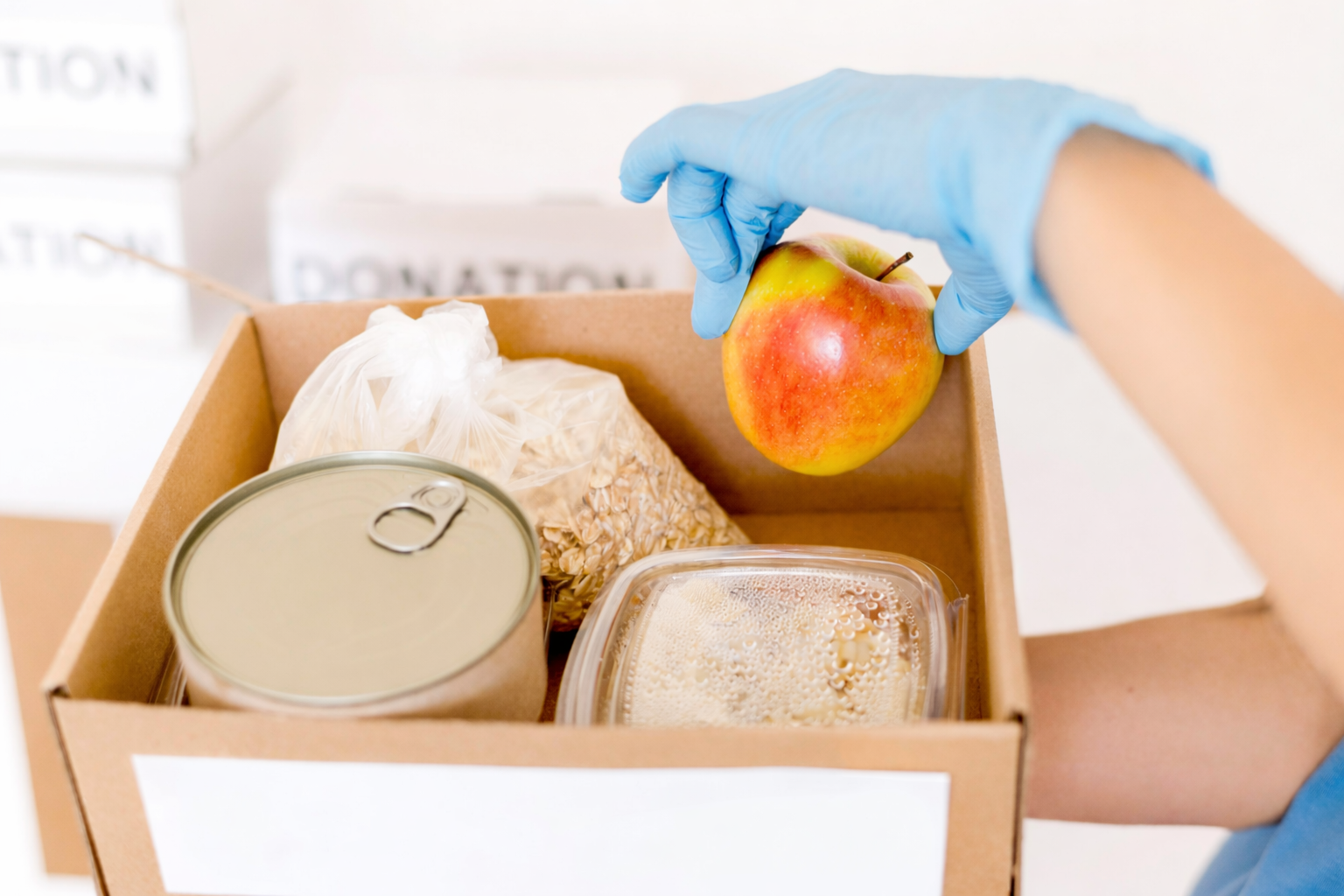
- Providing monthly rations and nutrition kits
- Training caregivers on affordable, safe nutrition practices
- Monitoring children throughout treatment duration
This integrated approach reduces relapse risk linked to treatment interruptions and nutritional decline.
Real-World Outcomes of Nutrition-Led Paediatric Cancer Care
Field experience from nutrition-focused programs consistently shows:
- Improved treatment adherence
- Fewer infection-related complications
- Better weight and growth maintenance
- Increased treatment completion rates
These outcomes highlight that addressing malnutrition in paediatric cancer significantly improves both survival and quality of life.
Nutrition is Treatment, NGOs are Lifelines
Malnutrition undermines cancer treatment – but it is preventable. In paediatric cancer care, nutrition must be recognised as a medical necessity, not an afterthought.
This belief lies at the heart of Cuddles Foundation’s mission. As India’s only NGO dedicated exclusively to providing nutrition support to underprivileged children with cancer, Cuddles integrates nutrition directly into paediatric oncology care through its FoodHeals™ Nutrition Program. By working within hospitals, deploying trained paediatric oncology nutritionists, and supporting families throughout treatment, Cuddles ensures that no child is forced to fight cancer on an empty stomach.
By treating nutrition as care and empowering NGOs as long-term partners in treatment, Cuddles Foundation is transforming outcomes for children battling cancer. Addressing paediatric cancer malnutrition is one of the most effective, humane, and scalable ways to improve survival and Cuddles is making it possible every day.
Feed a child. Support treatment. Save lives.
Learn more at https://www.cuddlesfoundation.org/