


Why Nutrition Matters in Childhood Cancer
Childhood cancer treatment is intense and physically demanding. While chemotherapy, radiation, and surgery fight the disease, they also weaken the body, suppress immunity, and dramatically increase nutritional needs. For many children in India, this challenge is compounded by the fact that they begin treatment already undernourished.
Malnutrition during cancer care is not a minor concern; it directly affects how well a child tolerates treatment, recovers between cycles, and ultimately survives. This is why nutrition sponsorship has emerged as a life-saving intervention, ensuring children receive the nourishment they need to withstand treatment and heal.
Understanding Nutrition Sponsorship
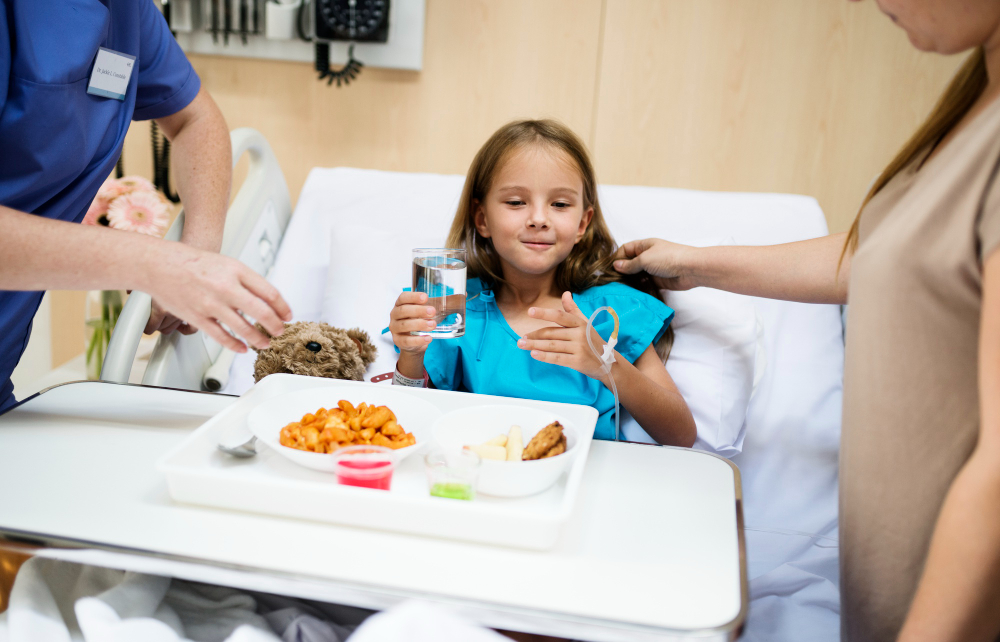
Nutrition sponsorship provides structured, personalized nutritional support to children undergoing cancer treatment, regardless of their family’s financial situation. It ensures that nutrition is treated as a critical part of pediatric cancer care, not an optional add-on.
In practical terms, nutrition sponsorship includes:
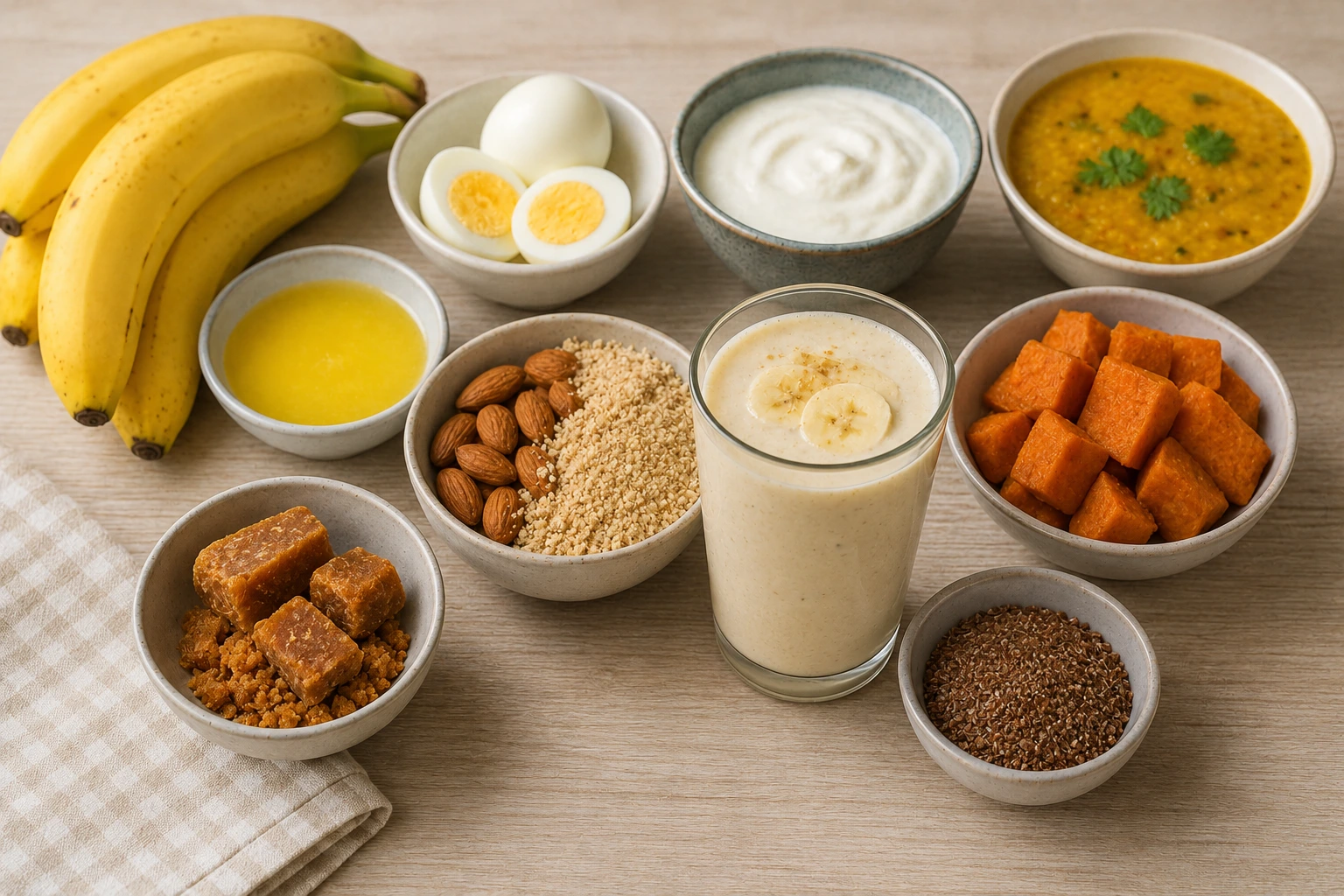
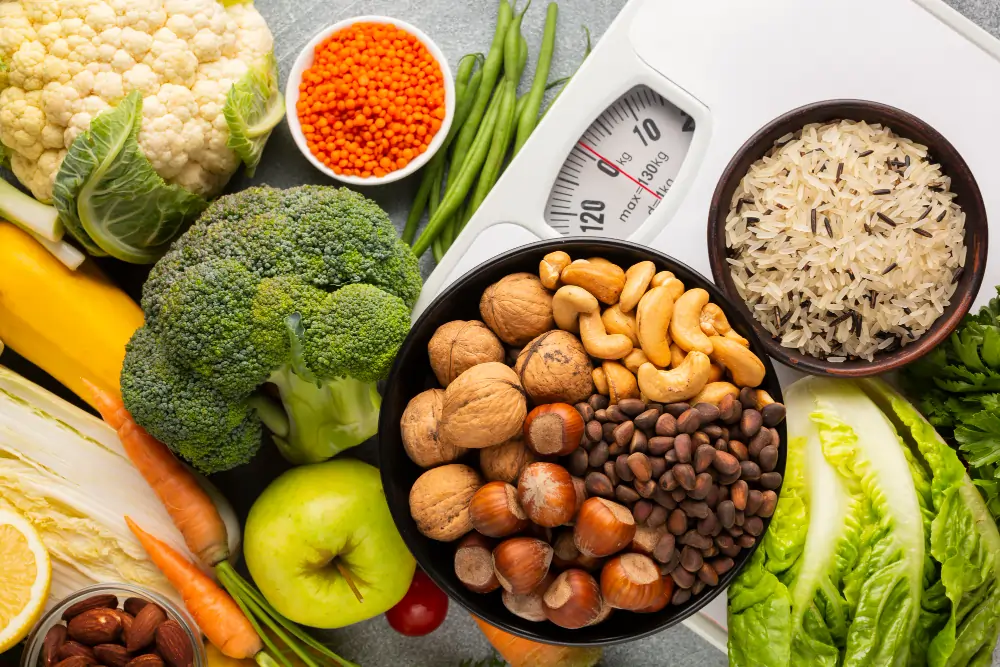
- Therapeutic and high-calorie foods
- Individualized diet plans based on diagnosis and treatment stage
- Nutrition supplements to meet protein and micronutrient needs
- Ongoing monitoring of weight, growth, and intake
This support is delivered by NGOs working closely with hospitals and trained pediatric oncology nutritionists, integrating nutrition directly into medical care.
How Malnutrition Affects Cancer Treatment Outcomes
When a child with cancer is malnourished, the body struggles to cope with treatment. The consequences are serious and often life-threatening:
- Weakened immunity, increasing infection risk
- Higher treatment complications and hospitalizations
- Delays or interruptions in therapy, reducing effectiveness
- Poor tolerance to chemotherapy, leading to dose reductions
- Lower survival rates, especially in prolonged treatments
Without proper nutrition, even the best cancer treatment protocols cannot achieve optimal outcomes.
How Nutrition Sponsorship Improves Childhood Cancer Survival
Nutrition sponsorship directly strengthens a child’s ability to endure and complete treatment. Its medical impact includes:
- Improved tolerance to chemotherapy and radiation
- Stronger immune response, reducing infections
- Faster recovery between treatment cycles
- Reduced side effects such as fatigue and severe weight loss
- Higher treatment completion rates, critical for survival
- Improved overall survival probability
By supporting the body from within, nutrition sponsorship helps treatment work more effectively.
Emotional and Psychological Impact on Children and Families
The benefits of nutrition sponsorship extend beyond physical health. For families, it reduces the constant stress of arranging food and managing costs during treatment. Parents gain confidence knowing their child’s nutritional needs are being professionally managed.
For children, proper nutrition restores:
- A sense of care, dignity, and normalcy
- Emotional strength and motivation to continue treatment
- Improved mental well-being, which plays a vital role in recovery
When children feel supported, they fight harder—and heal better.
Real-World Impact of Nutrition Support Programs
Programs that integrate nutrition into childhood cancer care consistently observe:
- Better treatment adherence
- Fewer treatment interruptions
- Improved weight maintenance during therapy
- Greater caregiver engagement and understanding
These outcomes demonstrate that nutrition support is not supplementary—it is foundational to effective child cancer support.
Cost vs. Value: Why Nutrition Sponsorship Is a High-Impact Intervention
Nutrition sponsorship is one of the most cost-effective ways to improve childhood cancer outcomes. Relatively small contributions toward nutrition can prevent serious complications that require expensive medical intervention.
By reducing infections, hospital stays, and treatment delays, nutrition sponsorship delivers high medical impact at low cost, making it one of the most powerful forms of child cancer support.
Why NGOs Play a Critical Role in Pediatric Cancer Nutrition
Public healthcare systems often lack the resources to provide personalized nutrition care for every child with cancer. This gap is where an experienced ngo for cancer children becomes indispensable.
NGOs:
- Bridge the gap between hospital treatment and home care
- Provide trained pediatric oncology nutritionists
- Deliver personalized nutrition plans
- Ensure continuity of care throughout treatment
As a dedicated ngo for cancer kids, such organizations ensure nutrition is integrated into standard cancer care, not left to chance.
How Individuals and Organizations Can Help
Saving lives through nutrition is possible with collective action. You can help by:
- Sponsoring a child’s nutrition throughout treatment
- Supporting sustained care through monthly donations
- Partnering through corporate CSR initiatives
- Sharing awareness to amplify impact
Every contribution helps ensure that no child fights cancer hungry.
Food as a Form of Medicine
In childhood cancer care, food is more than nourishment; it is medicine. Proper nutrition strengthens immunity, improves treatment tolerance, and increases survival chances.
Nutrition sponsorship turns compassion into measurable outcomes. By feeding children during their most vulnerable moments, we give them strength, dignity, and hope.
Learn more at https://www.cuddlesfoundation.org/